
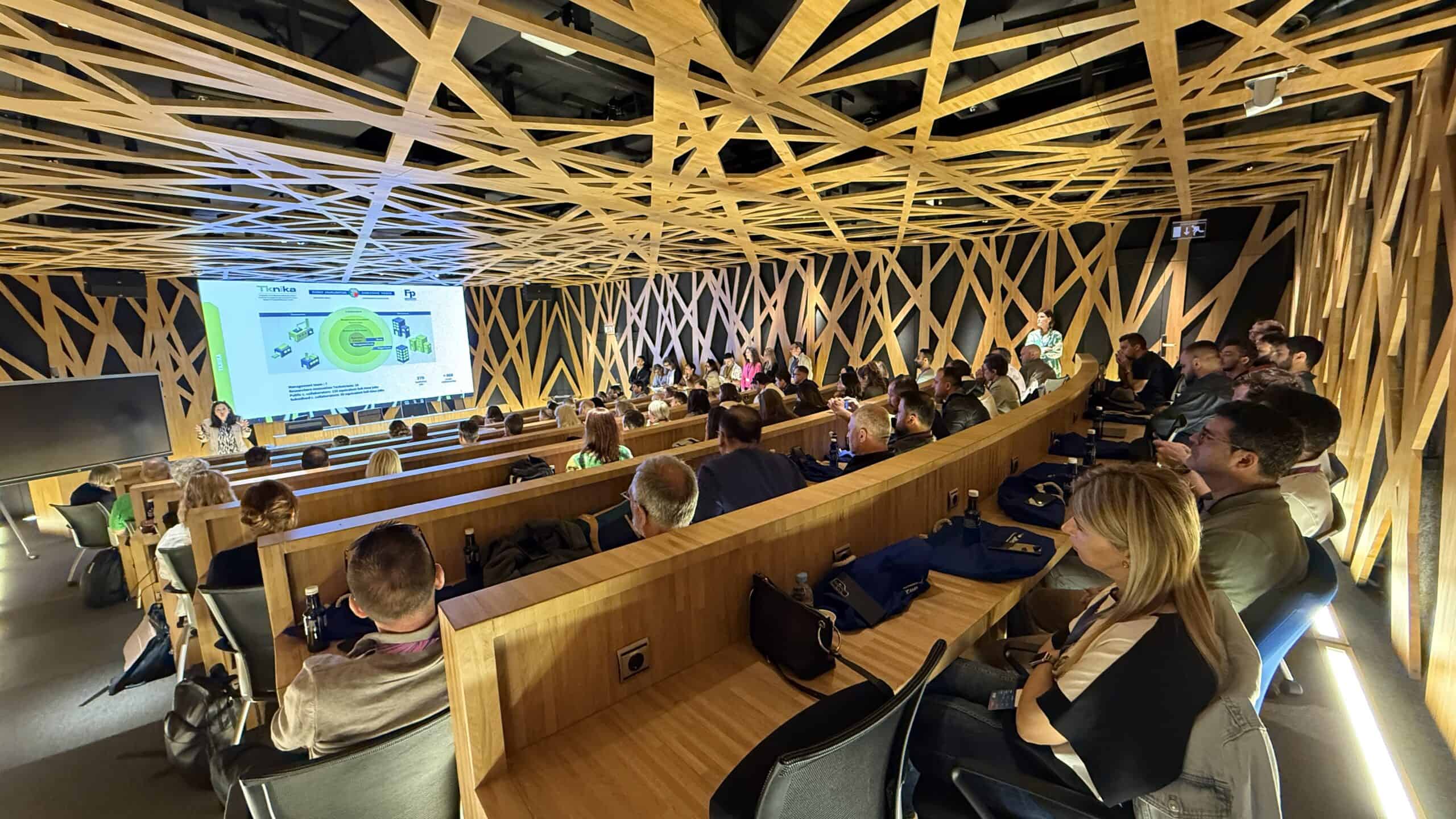
The International LCAMP Conference: Global Connection for Local Change and Open Day 2026
Vitoria-Gasteiz, Basque Country (Spain)
21–23 April 2026 Bringing together VET professionals, students, teachers, industry partners, VET providers, and stakeholders, the conference created a dynamic platform for collaboration and knowledge exchange. The event also served as a valuable networking opportunity, connecting representatives from SMEs, academia, research institutions, industrial clusters and public authorities at local, regional and European levels.
The initiative aimed to strengthen the connection between vocational training centres and small and medium-sized enterprises (SMEs), thereby enhancing skills development in areas such as robotics, additive manufacturing, artificial intelligence and green technologies. The 2026 edition featured workshops, networking activities and discussions with experts on the future of vocational excellence, attracting over 500 participants.
Tknika continued to promote a learner-centred approach to advanced manufacturing, building on previous initiatives, including collaborative sessions and regional meetings held in earlier years. Key focus areas included developing new curricula, promoting lifelong learning, reinforcing cooperation between vocational education and training (VET) and industry, and advancing applied research.
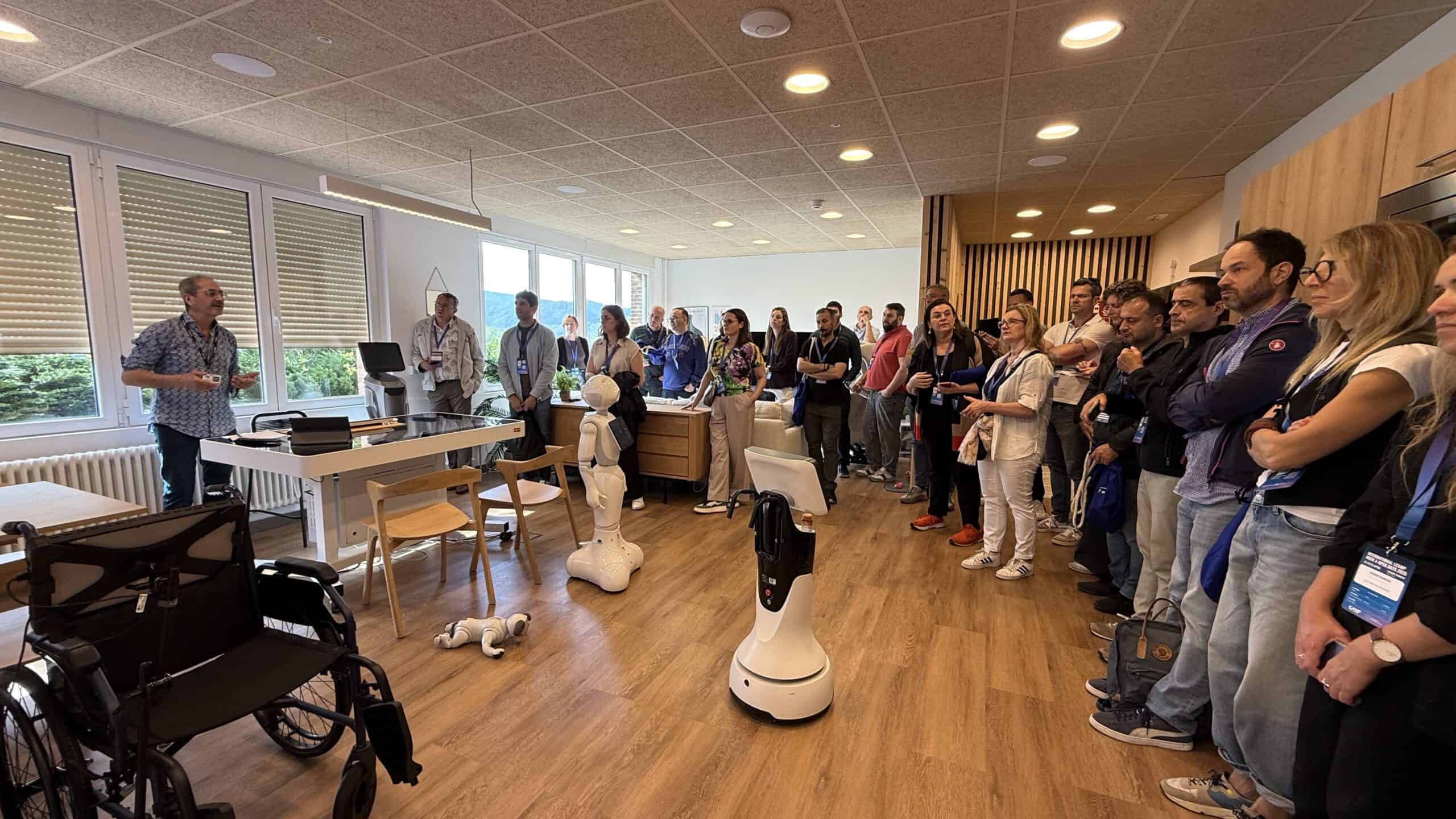
Day one: After the conference, attendees took part in visits to Tknika projects and workshops.
22nd April:
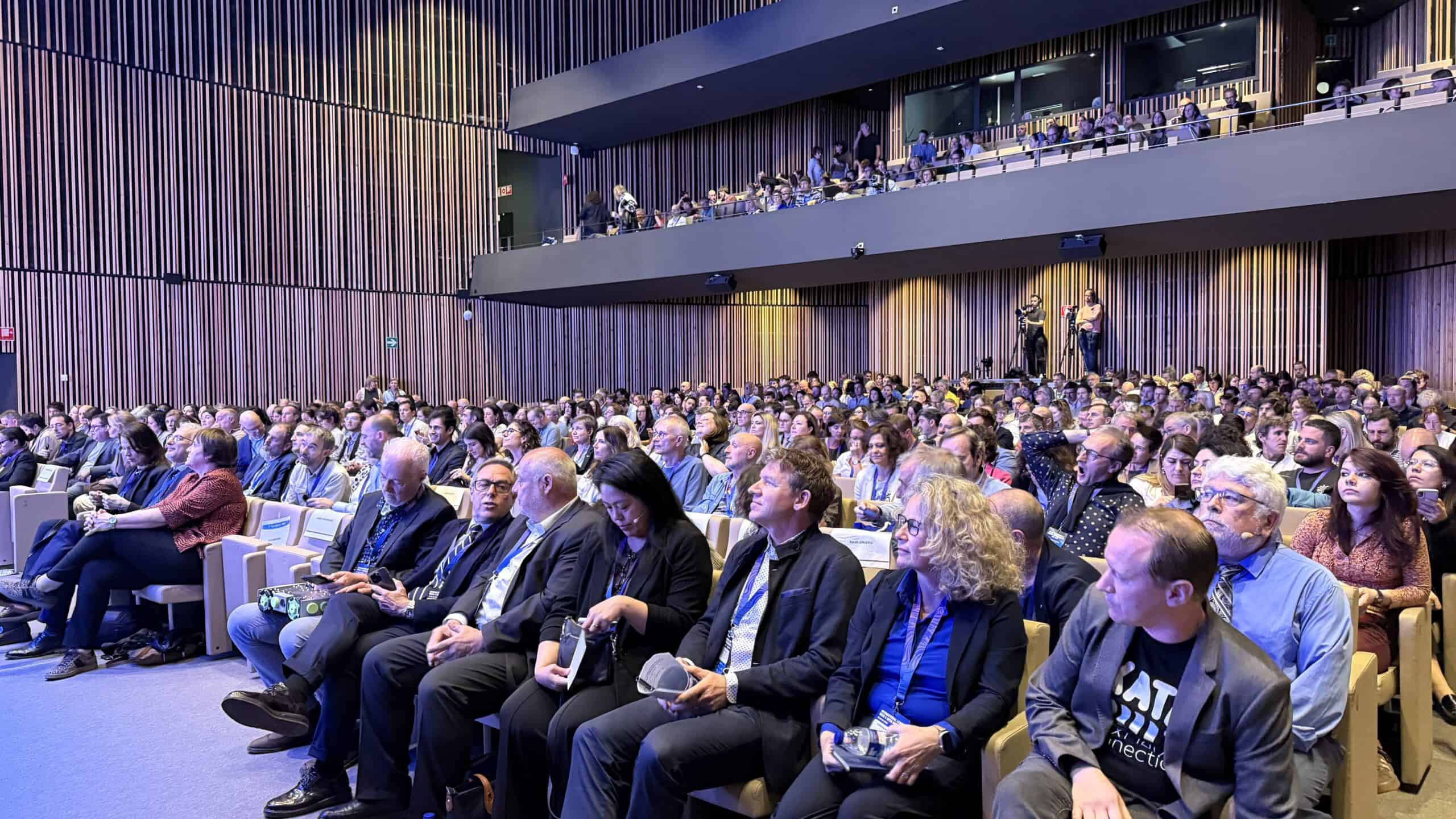
Ms Begoña Pedrosa, the Minister for Education at the Basque Government’s Department of Education, welcomed the international conference.
In her welcome speech, Ms Pedrosa highlighted that the conference brings together a diverse network of representatives from across Europe and beyond, including institutions, public authorities, training organisations and companies, all united by a shared vision of advancing industry, education and innovation. This was followed by a tribute to Jorge Aréval.
Ms. Anna Banczyk, Head of Unit for VET, Skills Portability and Cedefop from European Commission (DG-EMPL)in her video message underlight “Technological developments are transforming labour markets at an unprecedented pace, significantly impacting jobs and the skills required to perform them. In this context, it is essential to ensure that education and training systems remain responsive and aligned with evolving economic and societal needs. Today, the majority of occupations require vocational qualifications, underlining the strategic importance of vocational education for competitiveness and growth. Strong collaboration between training providers, enterprises, and innovation actors is key to building effective and resilient systems. Across Europe, there is a growing commitment to developing flexible, inclusive, and forward-looking approaches to skills development. These efforts aim to enhance the quality and relevance of training, strengthen links with the labour market, and promote innovation, mobility, and international cooperation.
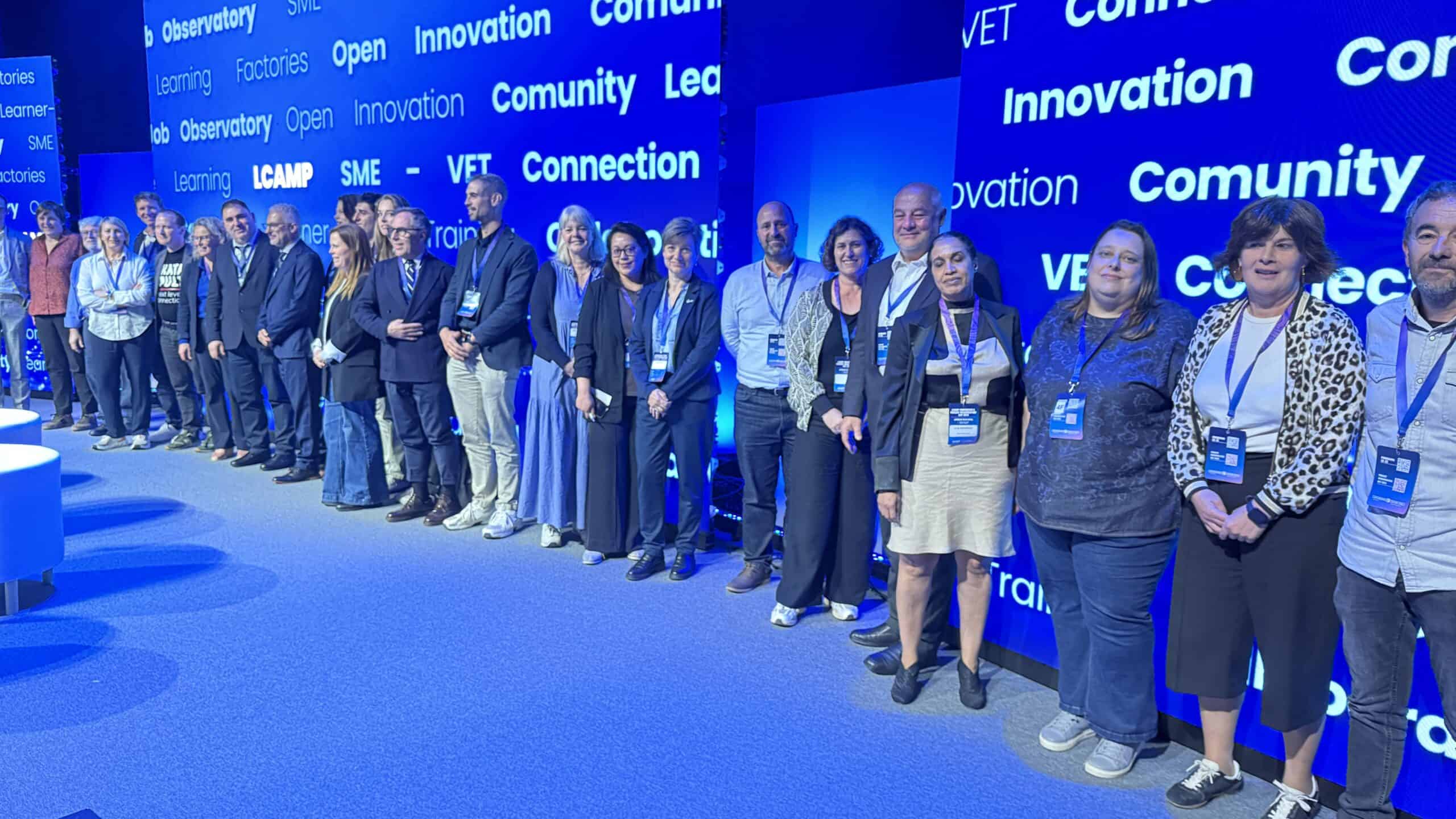
In the Changing VET systems: where economy and education meet to address the varying skills spectrum in the labour market. In presentation on the CoVE model, Elina Pyykänen, Under-Secretary of State at the Finnish Ministry of Economic Affairs and Employment, highlighted the importance of vocational excellence, innovation, and collaboration across Europe. She emphasised that strong partnerships between education, industry and public institutions can have a real impact and support economic growth.
A key message was the need for continuous skill development, adaptation to changing industries, and strengthening of connections between countries. Collaboration and shared knowledge are essential for building competitive and sustainable systems. Georgios Zisimos, Head of Human Capital Development Policy Advice Unit at ETF stressed the importance of European cooperation and the role of Centres of Excellence in shaping the future of education and training. the essential role of teachers—not only in preparing skilled professionals, but in shaping individuals. Georgios Zisimos stressed that their contribution is fundamental to the success of VET systems. Overall, the discussion reinforced the value of working together to create innovative, inclusive, and future-ready learning environments.
Initiatives such as Centres of Vocational Excellence demonstrate the importance of collaboration in promoting innovation and excellence in skills development. By fostering closer connections between education and industry, they play a vital role in equipping individuals to meet the demands of the modern economy.
In conclusion, continued investment in vocational education and training is essential for supporting sustainable growth, competitiveness, and social prosperity at all levels.
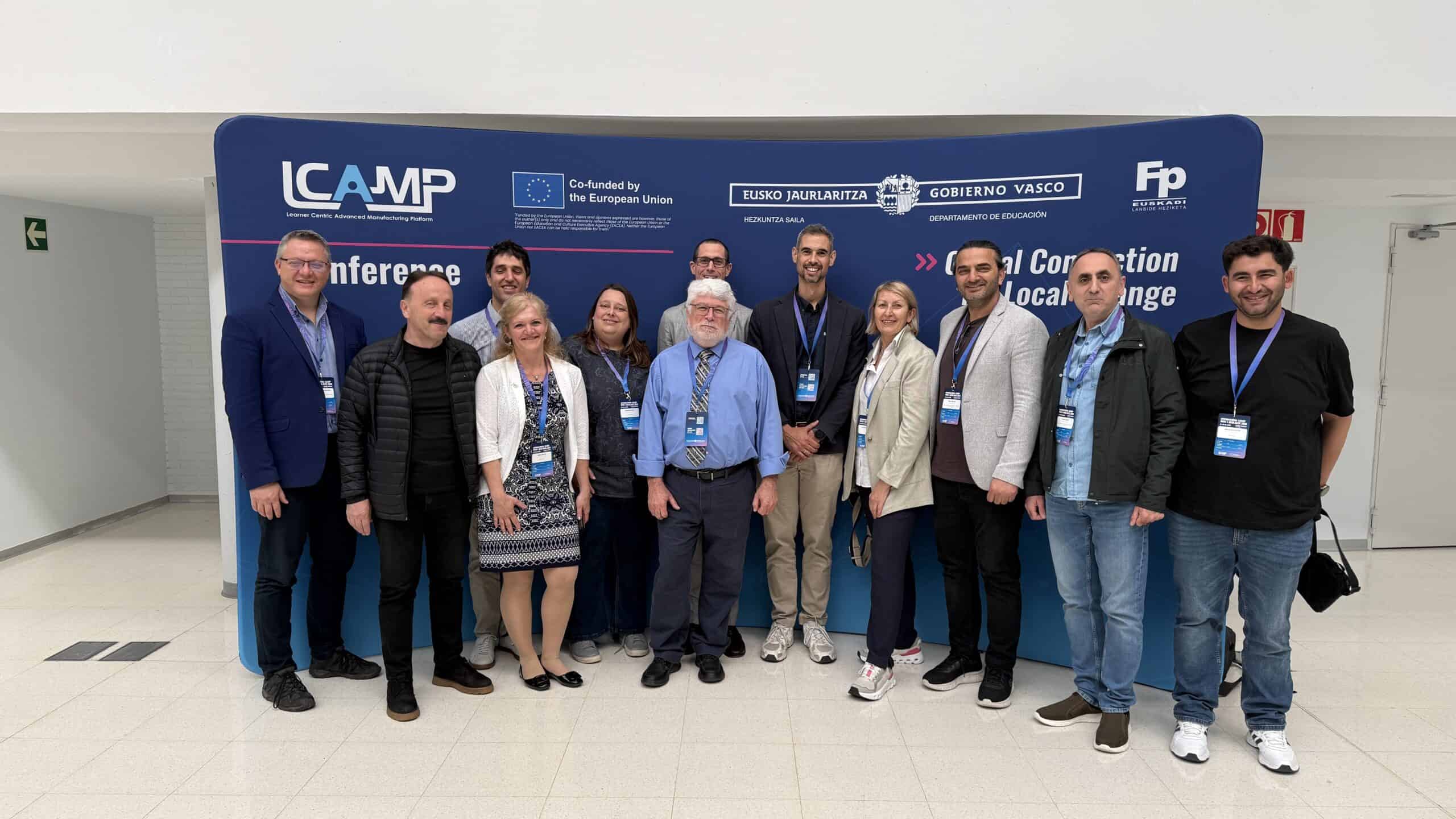
A key highlight came from El Iza Mohamedou, Head of the OECD’s Centre for Skills, who stressed that the green transition is already reshaping the labour market. Demand for digital and green skills is increasing rapidly due to economic and industrial transformation, but supply is not keeping up. Most ‘green jobs’ do not represent entirely new roles, but rather existing roles that are changing and requiring new skills, particularly digital and technical abilities, as well as transferable skills such as problem-solving and adaptability. Widespread labour shortages are particularly prevalent in the green and ICT sectors, with these gaps often disadvantaging rural or industrial areas. Education and training systems, especially vocational training, need to adapt by focusing on reskilling and establishing stronger links with employers. Training programmes should also be longer and more practical. Overall, the transition is less about creating new jobs and more about transforming current ones, making skills development the key challenge.
Inge Gorostiaga, the Basque Government’s Department of Education’s Director of Digital Transformation and Advanced Learning, presented the LCAMP project, highlighting how its results are already being integrated into the Basque VET system. She also linked the project to the region’s long-term strategy, which focuses on training, innovation, entrepreneurship and internationalisation, and aligns with the Centres of Vocational Excellence approach. LCAMP demonstrates how European collaboration can generate a real regional impact through initiatives such as the Observatory, the Skills and Jobs Profiler, the Open Innovation Community and the Learning Factories.
The panel discussion focused on the deep interconnection between global connection and local change. Mr. Richard Gale (Camosum College, Canada), the moderator, opened the session by emphasising that, although the project aimed to improve the world through local collaboration, local institutions are also shaping global transformation.
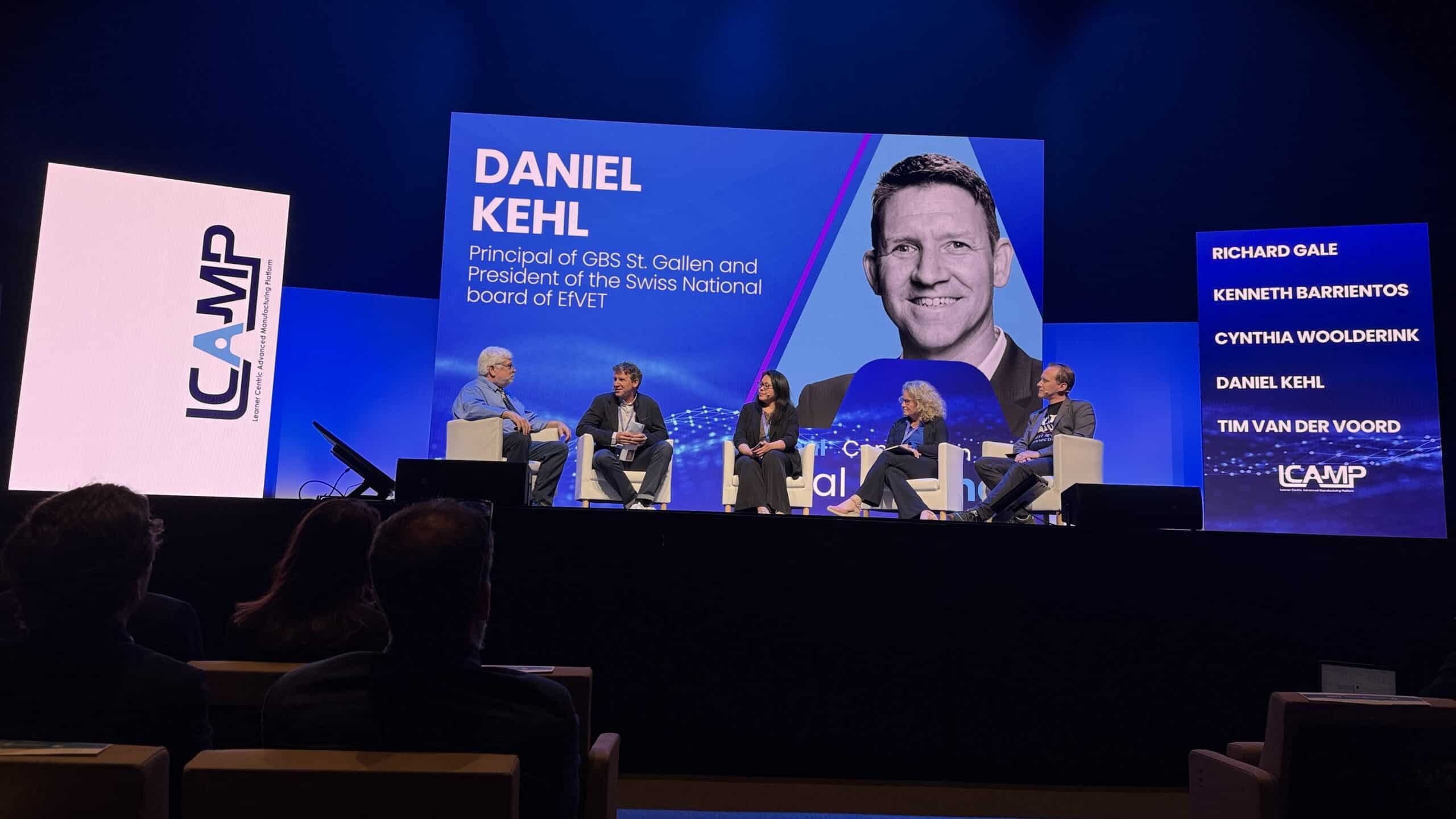
A central theme that emerged was whether change begins globally or locally. Mr. Daniel Kehl (Principal of GBS St. Gallen and President of the Swiss National Board of EfVET) strongly advocated for local action: ‘We need local change first, especially in schools. We must shift mindsets and incorporate topics such as AI, diversity, and global challenges into everyday learning.’ He also stressed the need for support from larger organisations to guide these efforts.
Ms Kenneth Barrientos, Head of the UNEVOC Network Secretariat, emphasised that successful local initiatives can be scaled up globally. “What works locally can become a model for global impact,” said one speaker, emphasising the importance of sharing practices across institutions and countries.
Education and skills development were recurring topics. Ms Cynthia Woolderink (Chairperson of EBBD-European Business Behavior Democrazy) emphasised the importance of preparing students with not just technical knowledge, but also critical thinking, communication and adaptability skills. Mr Tim van der Voord (Project manager, Katapult) said: “We must equip students with the skills to navigate an uncertain future”.
The importance of collaboration between education and industry was also discussed, with the aim of ensuring that learning remains relevant to the evolving needs of the workforce.
Leadership and culture were identified as key contributors to success. Daniel Kehl highlighted: ‘As leaders, we must foster a sense of success and identity in our students so they can connect with the global community.’ The panellists agreed that, while strategies and structures are important, a strong culture of collaboration is essential.
In conclusion, the panel stressed that meaningful global impact starts with small, local actions. ‘Even small steps can lead to large-scale change’ was one of the key messages. The discussion ultimately demonstrated that global connection is built through local effort, shared values, and ongoing collaboration.
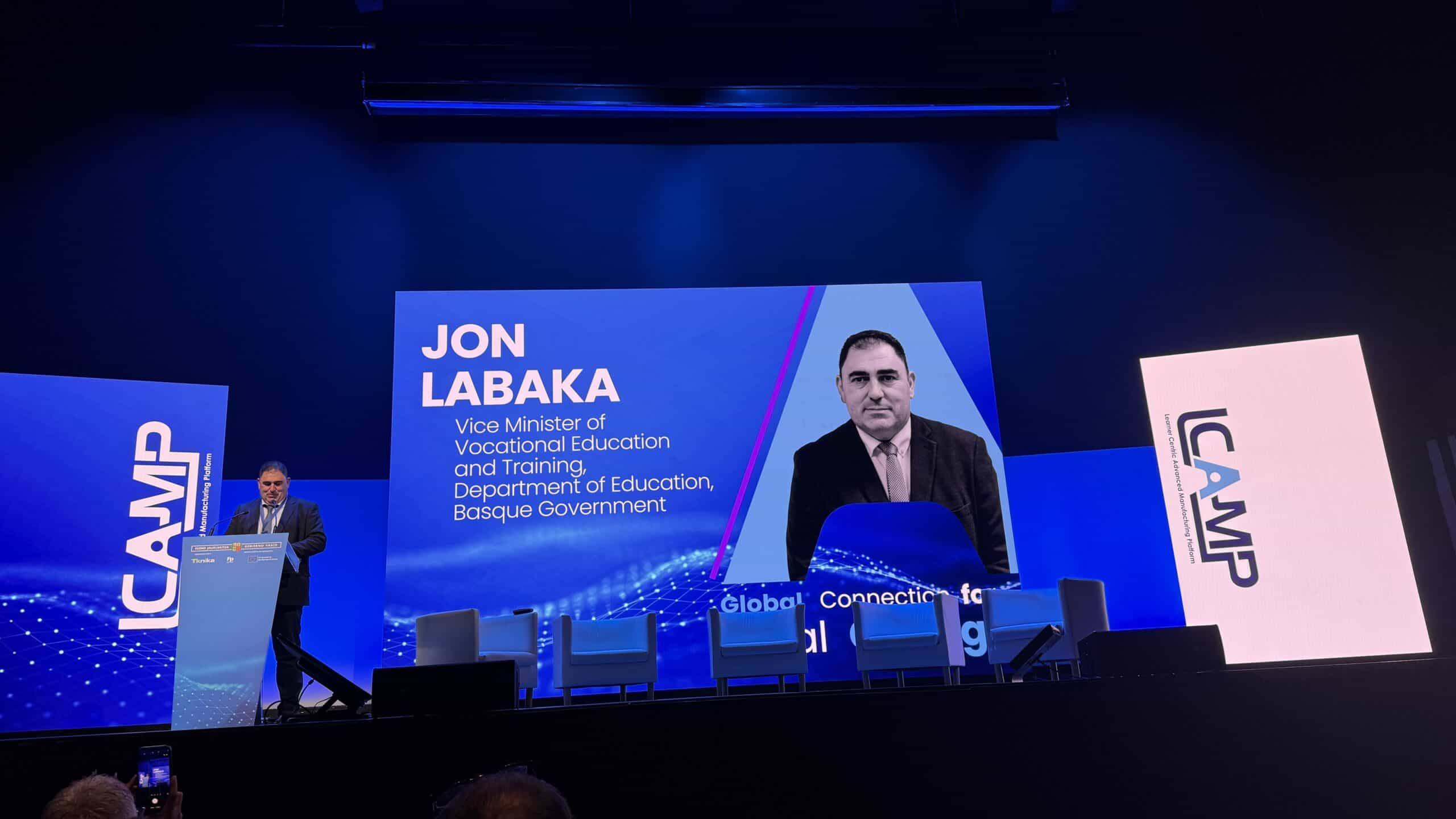
In closing speech, the Vice President of Vocational Education and Training at the Basque Government’s Department of Education, Mr Jon Labaka, said that this week’s programme had been a valuable and enriching experience for all of us. We discussed important topics such as education, mental health, and the need to support students and organisations in becoming more competitive.
The sessions emphasised the importance of developing skills, innovating, and undergoing continuous training, as well as the value of global collaboration and sharing ideas across countries.
Overall, this programme has reinforced the importance of working together, learning from one another, and preparing for a stronger and more connected future.”
In the afternoon, participants took part in 14 hands-on workshops focusing on advanced manufacturing.
On 23 April, Mr Jon Labaka and Mr Georgios Zisimos opened the Project Dissemination Day.
More than 55 Erasmus+ projects were presented during the roundtable discussions.
The LCAMP Student Hub Skill Award ceremony also took place, recognising student talent and strengthening the link between learning and innovation.