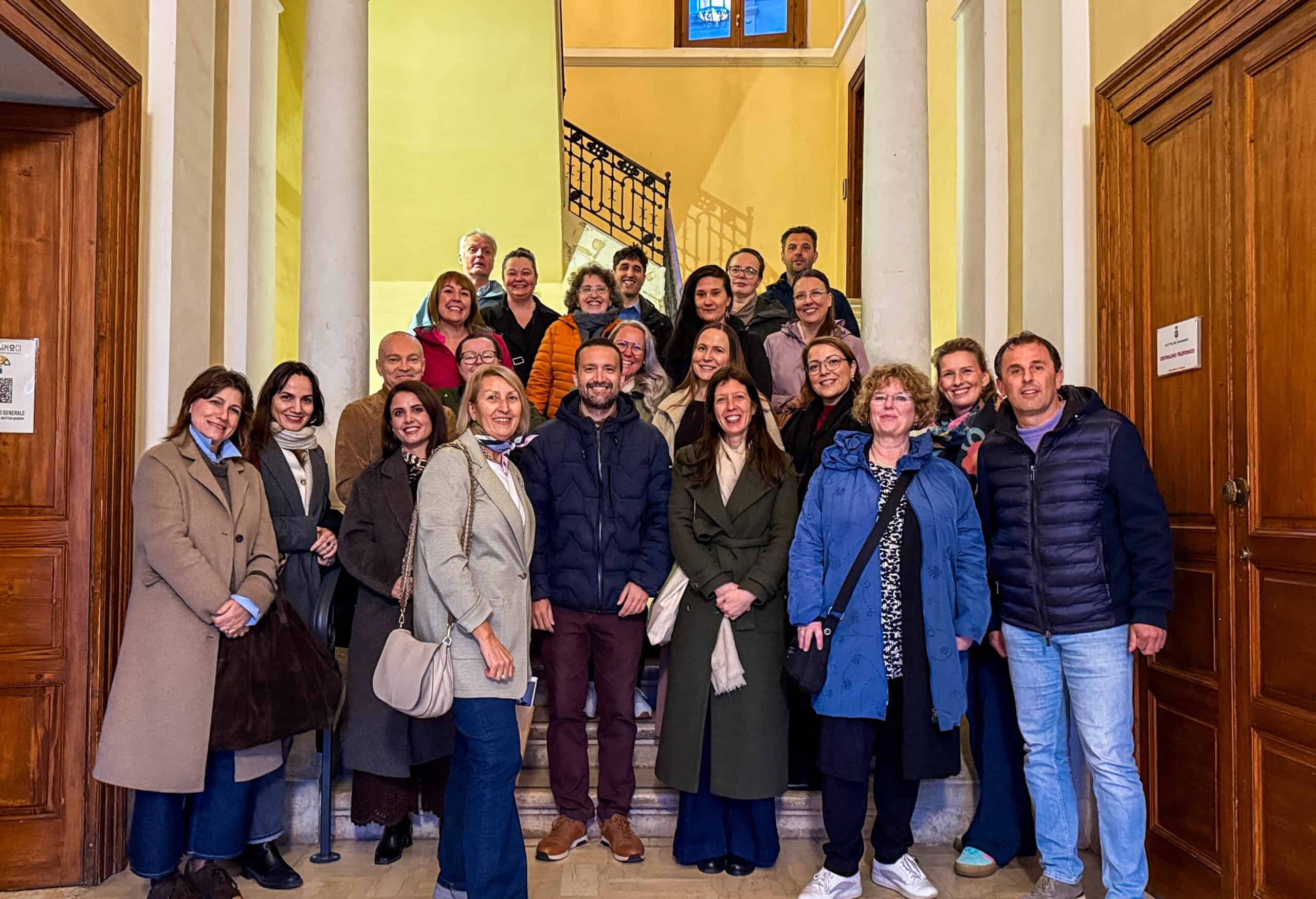
The 2026 Annual Event of the Tourism Thematic Team (TTT) of the EfVET has concluded with an extremely positive outcome. The event took place from 18 to 21 March, in Fasano (Italy).
For three days, Tourism Thematic Team became an open-air development laboratory: plenary sessions dedicated to the challenges of tourism education, thematic working tables on new professional profiles, workshops on digitalisation, sustainability, and inclusive hospitality alternated with networking moments and guided tours. These allowed guests to experience first-hand the landscape and cultural heritage of the area, as well as its excellent local tourism offerings.
Mayor Francesco Zaccaria said: “The three days of meetings, workshops, and visits showcased our territory’s ability to combine quality tourism offerings, innovation, and education. The dialogue between institutions, businesses, and the educational world generated concrete ideas and new collaborations, strengthening the role of young people. We look to the future with confidence: this marks the beginning of a shared path towards increasingly competitive, sustainable, and inclusive tourism, capable of enhancing our excellence in the European context”.
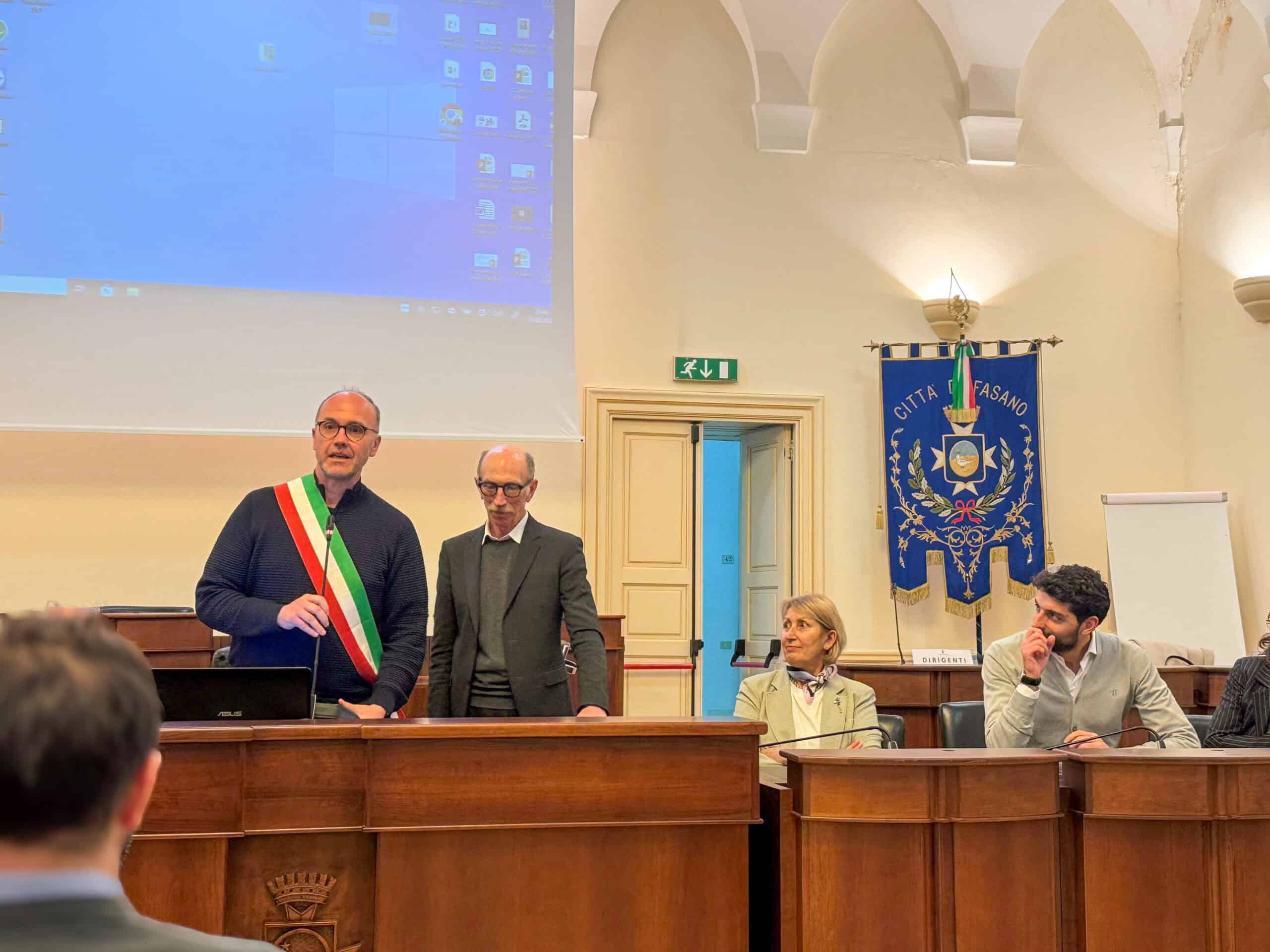
The conclusion of this important European forum, explained Manuela Rosato, City Councillor delegated for international promotion, “Events like this strengthen our city’s international positioning and help build new opportunities for the future, fostering relationships, collaborations, and shared training pathways that can translate into development, attractiveness, and new prospects for our tourism system. Fasano’s vocation for tourism is now increasingly broad, and international dialogue represents one of the most effective tools to accompany its growth in a sustainable and competitive way”.
The fifth TTT event was greeted with a warm welcome by Federico Tubiello, International Projects Coordinator at Apro Formazione, who took on the role of host and guided the attendees through an insightful exploration of the event’s history and agenda.
The President of EfVET, Joachim James Calleja in his welcome to the event highlighted the importance of hospitality skills and vocational education both at the European level, regional and local level. Tourism is not just about the economy. It is also about society, culture, and community survival. In many places, people immediately lose their jobs and livelihoods if tourism stops. We must strengthen the partnership between schools and industry. Without cooperation, the system will not work. Education must become more practical and skills-based and connected to industry. At the same time, tourism jobs must improve in quality and attractiveness to meet the needs of the future workforce. Where there is tourism, there is progress.
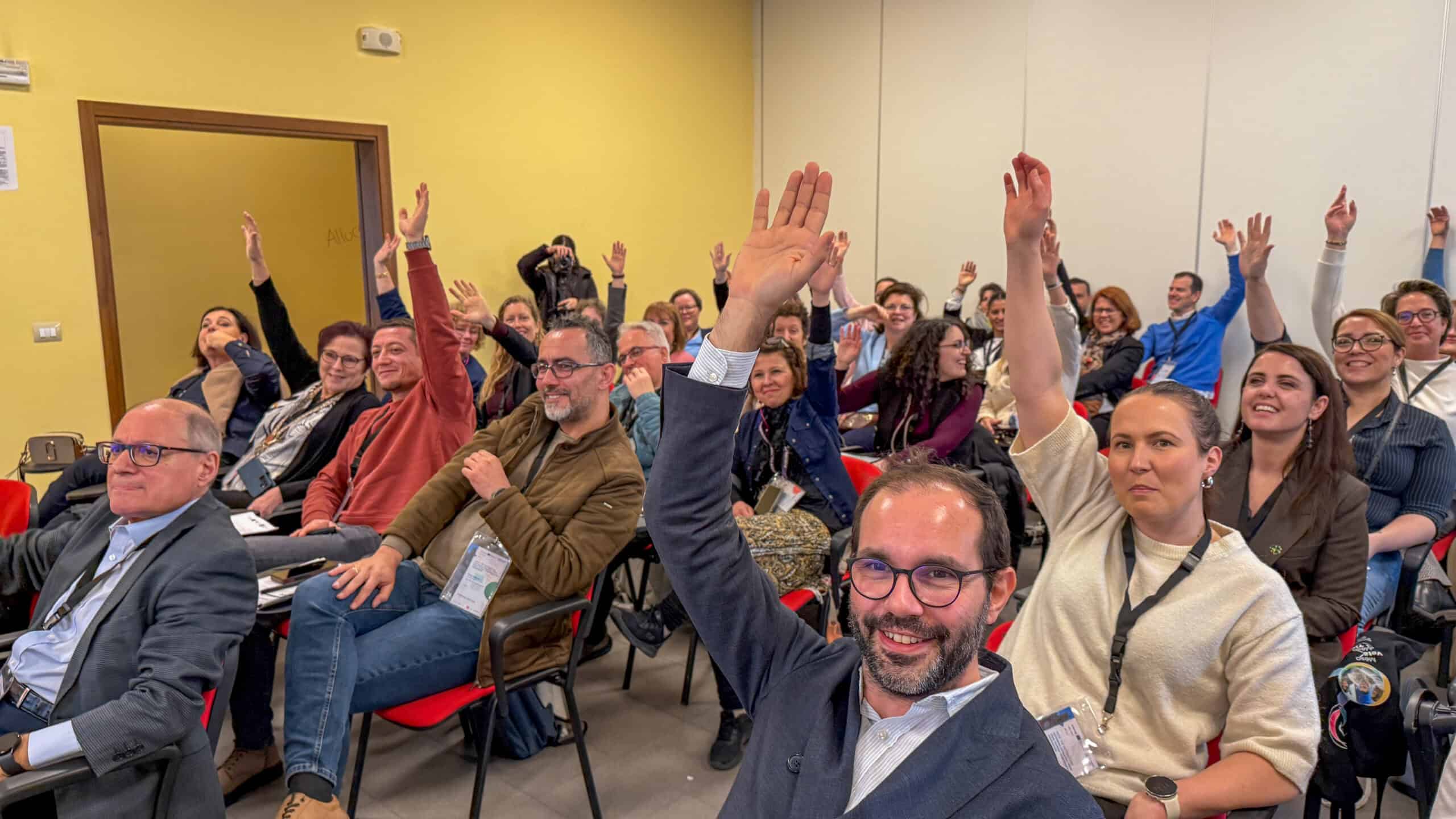
The discussion brings together educators, coordinators and industry professionals from international projects in tourism, hospitality and vocational education and training projects. A major concern raised was the disconnect between the education system and the needs of the labour market. Many graduates leave school without the practical skills required by employers. Therefor was also a call for work-based learning models:
- Apprenticeships
- Internships
- Project -based learning
It was noted that students are more likely to remain engaged in education when they can see a direct connection between learning and employment.
During the common challenges, participation is highlighted in the report, showing which challenges received the strongest visible support on Padlet and also recur across the three role perspectives. The ranking prioritises the items with the most votes, while showing how directors, international coordinators and teachers frame the same issue differently.
- Cation is not keeping pace with the tourism sector
- Soft skills and human skills are weaking
- Internationalisation needs shared ownership
- Long-term impact of EU projects is different to secure
- Coordination with stakeholders and the labour market is still weak
- Tourism careers are not attractive enough
On the second day, the participants presented their projects during the roundtable sessions.
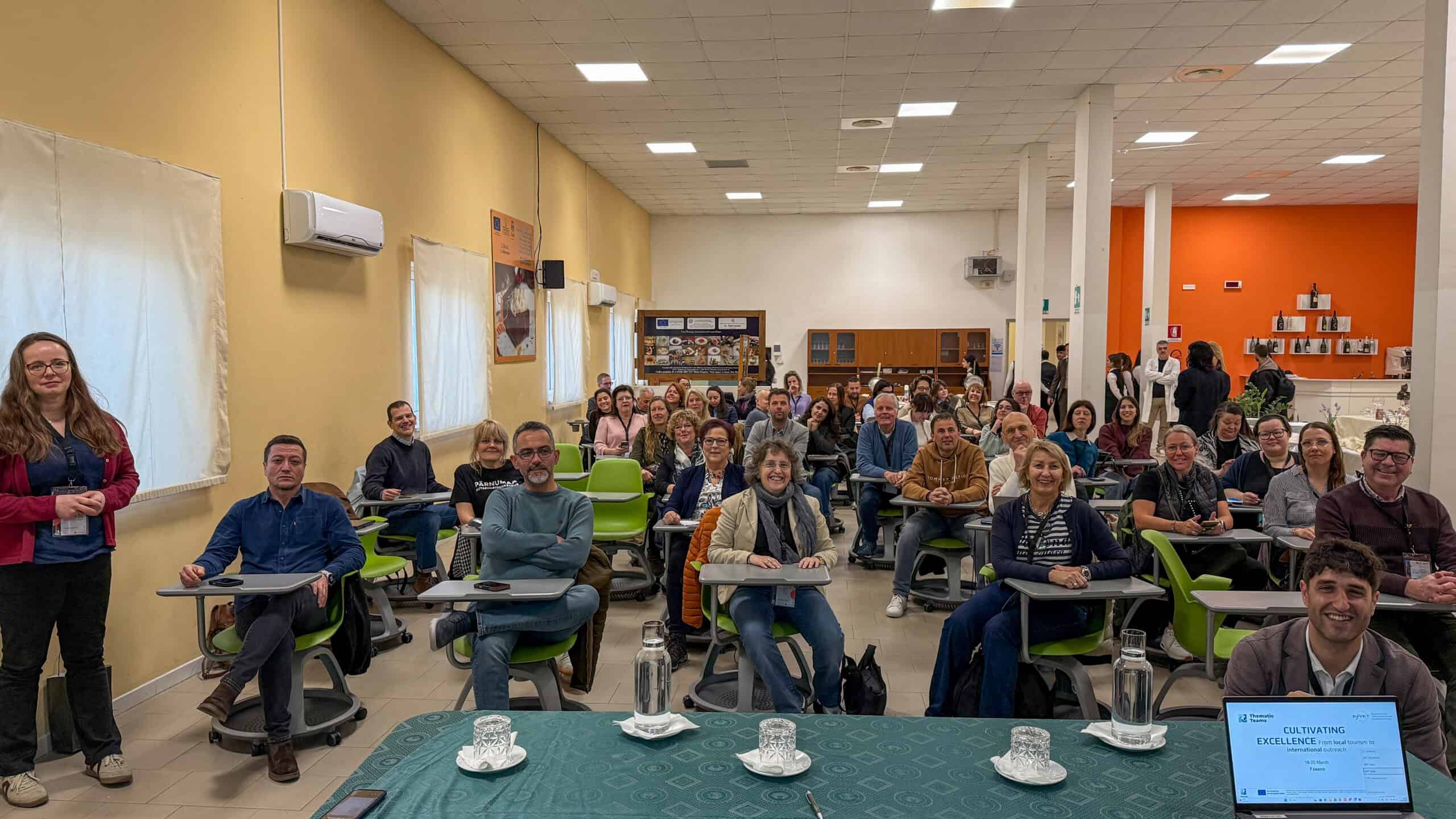
On the final day, participants reflected on the future and ways to improve collaboration and communication within the organisation and its network. Participants discussed the importance of using shared platforms and databases to facilitate connection, resource access and project development.
A key point was the need to adapt and evolve activities. Some initiatives, such as market analysis meetings, may be discontinued due to low participation, while others, such as masterclasses and workshops, should be strengthened with more relevant topics and high-quality speakers from industry and policy sectors.
There was strong interest in:
- More practical and useful activities
- Increase face-to face collaboration, such as study visits and job shadowing
- Better networking opportunities to find project partners
- Strong involvement of students and industry in discussions
- Improved communication platforms and easier access to member information
The activities provided an opportunity to share ongoing European projects, forge new collaborations between European training institutions and tourism businesses, highlight the role of new generations, and explore the contribution that technical and vocational education can make to a more competitive tourism sector. The discussions generated operational ideas and cooperation prospects that will continue beyond the days in Fasano.