
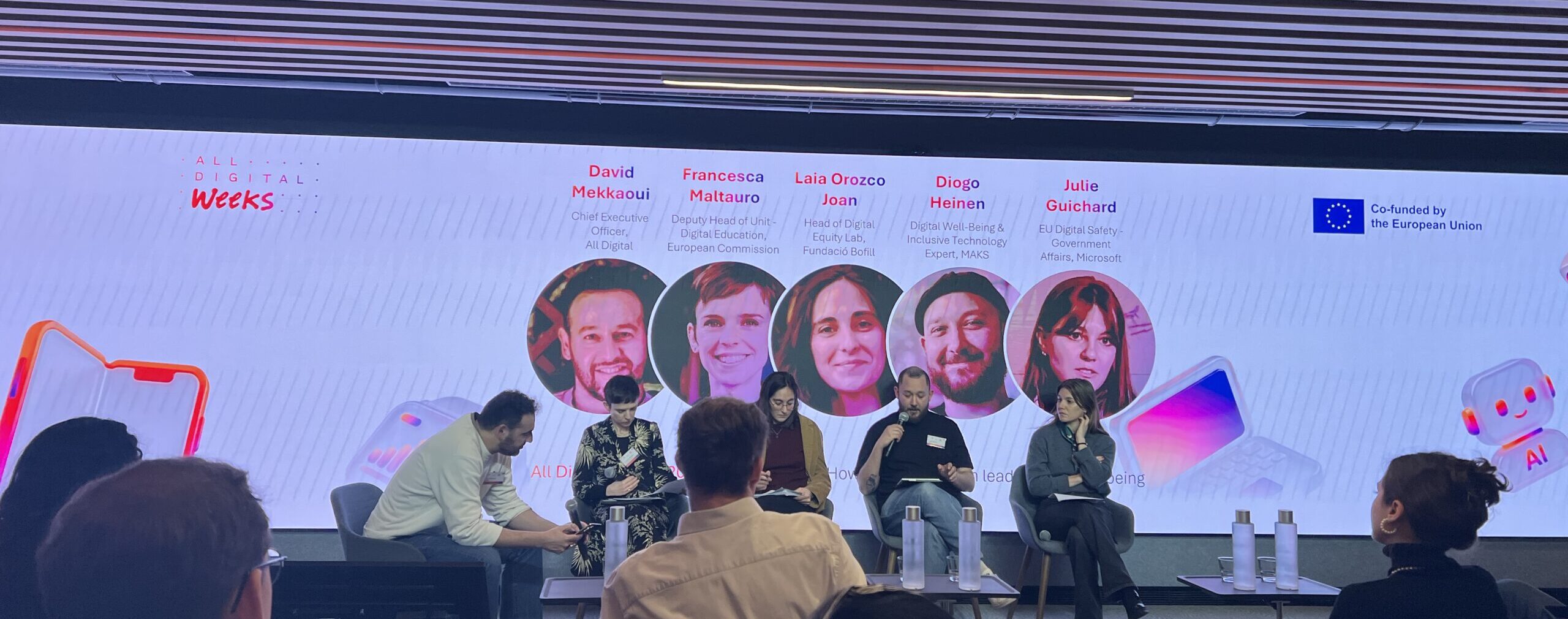
With digital technologies increasingly changing how Europeans learn, work, and connect, it has become a critical priority for policies and society to ensure that digital transformation promotes human well-being. The All Digital Weeks 2026 launch event took place on 10 March at the Microsoft Innovation Hub in Brussels, offering an opportunity for discussion and contemplation among policymakers, educators, researchers, and practitioners focused on digital inclusion. Held in a hybrid format, EfVET could join this event which was mainly focused on how digital well-being can enhance confidence, inclusion and significant participation within Europe’s digital environment.
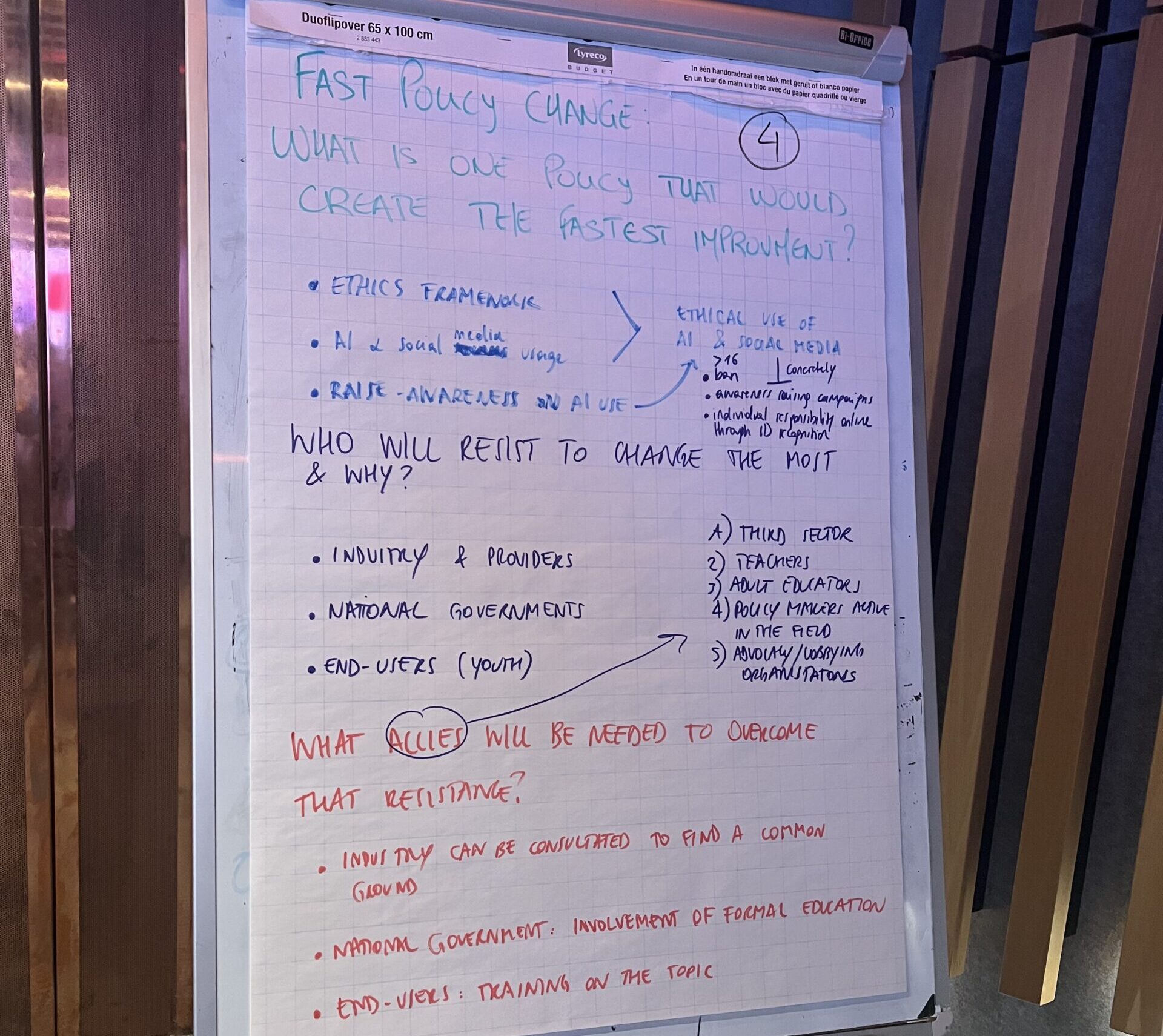
Kicking off the session, Petra Bevek from the Digital Society Directorate of the Ministry of Digital Transformation and Theresa Elhage, Communication and Advocacy Manager at All Digital, highlighted the importance of collaborative efforts among institutions, educational systems and technology suppliers. Their speech positioned digital well-being not only as an individual problem, but as a fundamental aspect of democratic participation, emphasizing that fostering environments where citizens feel empowered to cultivate digital skills is essential for enhancing Europe’s digital capabilities. This viewpoint was built upon in membership manager Tiago Silva’s keynote speech, where he emphasized the importance of confidence in digital education; he presented artificial intelligence as a guide in a new era of social change that demands individuals to smooth over technology use with critical analysis and independence. Instead of viewing AI as a disruptive danger, the talk emphasized the ability to improve learning and innovation, as long as education systems enable students to actively influence digital futures rather than merely adjusting to change. Interactive breakout discussions enabled participants to share perspectives on policy priorities, impact assessment, and the collaborations that are necessary to upgrade digital well-being throughout Europe.
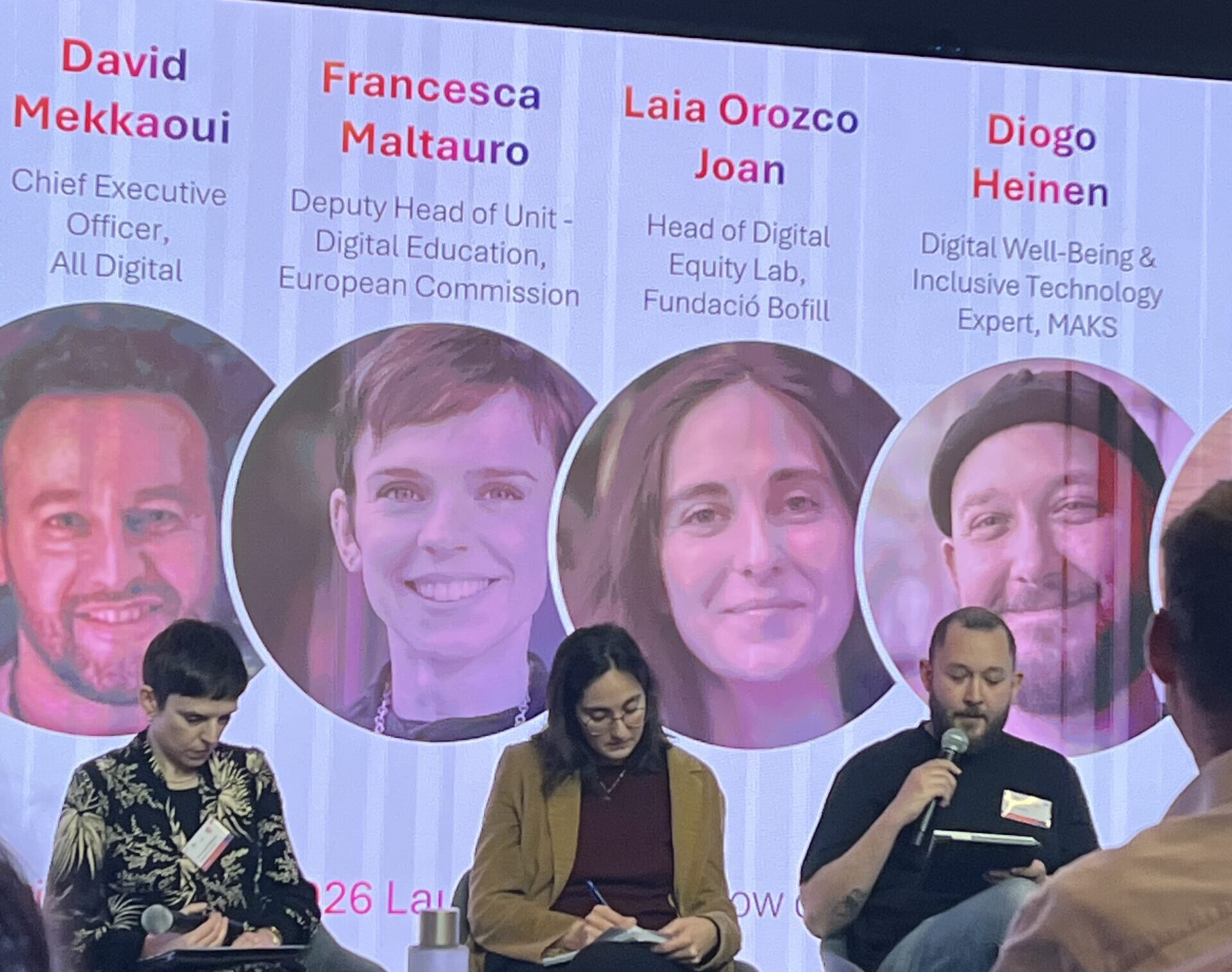
The policy panel took together different viewpoints from European institutions, research, and industry: Francesca Maltauro, Deputy Head of Unit for Digital Education at the European Commission, highlighted the worsening mental health of youth as a significant policy indication. Although European efforts seek to improve upon digital capabilities and accessibility, structural disparities remain in rural areas and economically disadvantaged settings: she emphasized that awareness of cybersecurity, secure digital services, and modernized curricula are crucial to preventing digitalization from worsening these existing gaps. Responsibility for this change is scattered among governance levels: European institutions set strategic guidance, Member States carry out reforms, education systems modify teaching approaches and teachers serve as primary supporters of digital skills.
Addressing digital inequality from a socio-educational perspective, Laia Orozco Joan, Head of the Digital Equity Lab at the Bofill Foundation, emphasised that disparities in skills, generational experiences and socio-economic conditions continue to shape access to opportunities in the digital age: she highlighted the importance of fostering human agency and transversal competences, such as collaboration and adaptive learning. Although international guidance frameworks offer valuable orientation, their effectiveness depends on sustained support and contextual implementation. Digital learning, she argued, must extend beyond formal classrooms into community environments and extracurricular activities in order to achieve meaningful inclusion.
From the perspective of inclusive technology design, Diogo Heinenm, Digital Well-Being & Inclusive Technology Expert at MAKS, stressed that digital well-being and participation are inseparable; younger users may face pressures linked to constant connectivity and online harassment, while adults with limited digital literacy struggle to navigate increasingly digitised services; marginalised communities also encounter platforms that are not designed with their needs in mind. Addressing these challenges requires attention not only to skills development, but also to systemic factors such as interface design, accessibility, and cognitive load. Trust-based learning approaches (in which teachers and learners explore digital tools together and gradually establish healthy online boundaries) were identified as key to strengthening confidence and long-term self-regulation.
From an industry viewpoint, Julie Guichard, EU Digital Safety in Government Affairs at Microsoft, emphasized the significance of responsible interactions and platform responsibility in creating secure digital environments. She underlined a comprehensive framework integrating regulatory transparency, proactive education, focused skills boost, and clear moderation processes. The discussion regarding the addictive characteristics of digital applications was acknowledged as politically complex, with risks heavily linked to usage habits and degrees of digital literacy: adding “safety by design” principles into technological advancements was thus viewed as crucial to making sure that user wellbeing is prioritized from the initial stages of development. Throughout the talks, artificial intelligence was recognized as both an opportunity and a challenge for governance: speakers highlighted the importance of creating resilient digital ecosystems that raise human autonomy, facilitate labor market adaptability and embody European values of trust and inclusion. Simultaneously, broken governance structures, limited feedback channels, and the swift evolution of technology continue to interfere with the creation of successful digital well-being policies.
The launch of All Digital Weeks 2026 showed that digital well-being has shifted from being an additional topic in Europe’s digital agenda to a strategic groundwork for sustainable change: enhancing digital well-being like this needs more investment in inclusive education systems, trust-oriented technological design and adaptive policy frameworks that can predict upcoming challenges.
Author: Elene Gauna, EfVET