
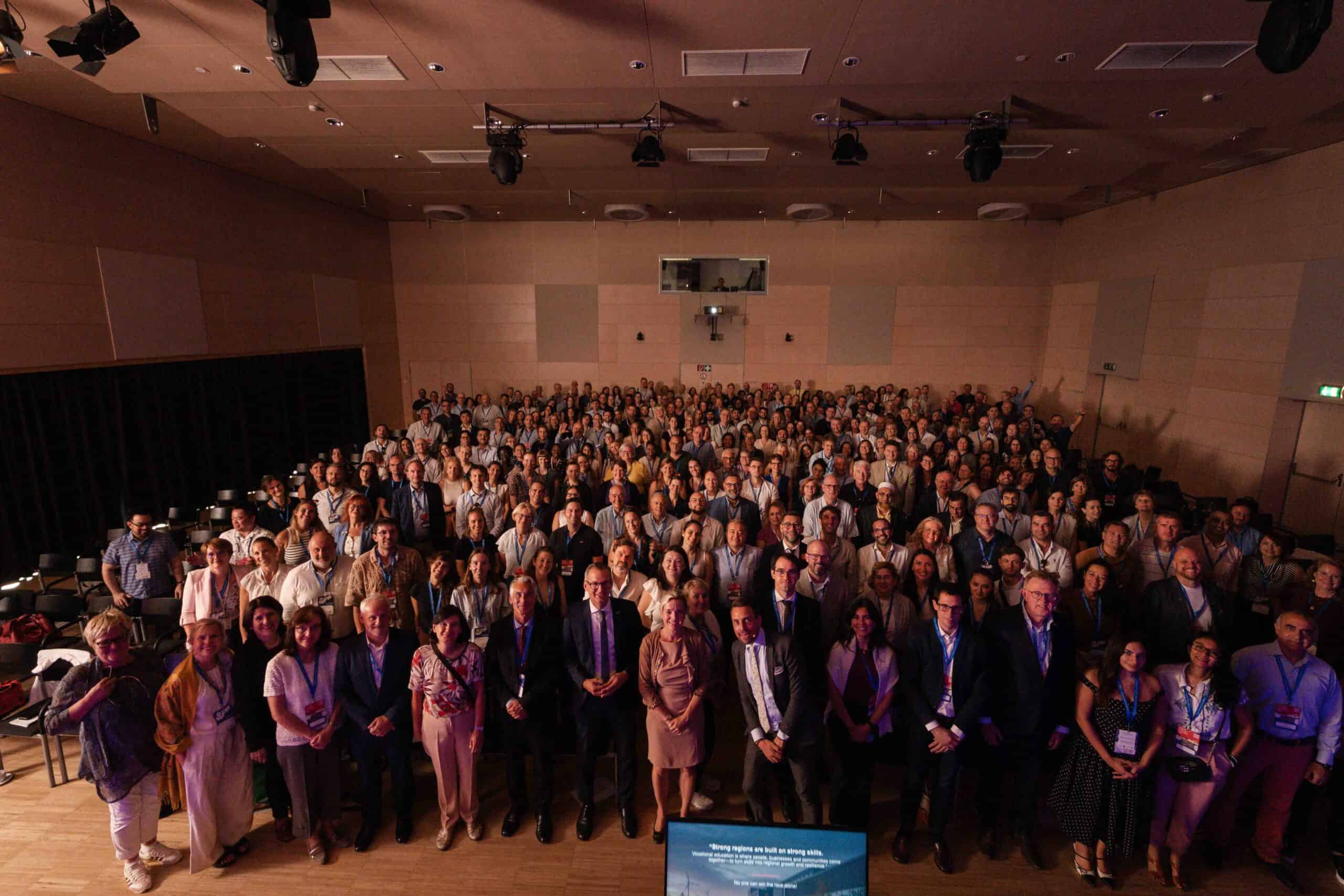
From 7 to 9 September, the EfVET team participated in the Forum on Vocational Excellence 2026 conference in Graz, Austria. The conference brought together around 400 participants from across Europe and beyond to exchange best practice, ideas and lessons learned, and to find creative solutions by encouraging collaboration between VET providers, companies and governments. Hosted by FH Joanneum, the conference brought the CoVE community to Styria.
This year’s theme was ‘Dual Education and Training for Competitive Regions’, focusing on best practices from VET and higher education. The forum offered keynote speeches and panel discussions featuring high-ranking experts from various types of stakeholders across the skills ecosystem, including education institutions, industry, government bodies, and NGOs.
Highlights of the programme included contributions from representatives of the European Commission, the Styrian regional government and the Chamber of Commerce in Styria, as well as from international universities and organisations. The programme focused on the current challenges and future prospects of vocational excellence, dual education and training in Europe. The speakers and panellists brought experience of participating in various CoVE projects, European University Alliances and national and regional initiatives to the forum. The forum also offered workshops on various cross-cutting and sectoral topics related to vocational and dual education, as well as study visits to companies and schools in the region.
The first day of the 2026 Forum on Vocational Excellence began in an unexpected setting: on the football pitch rather than in a conference hall.
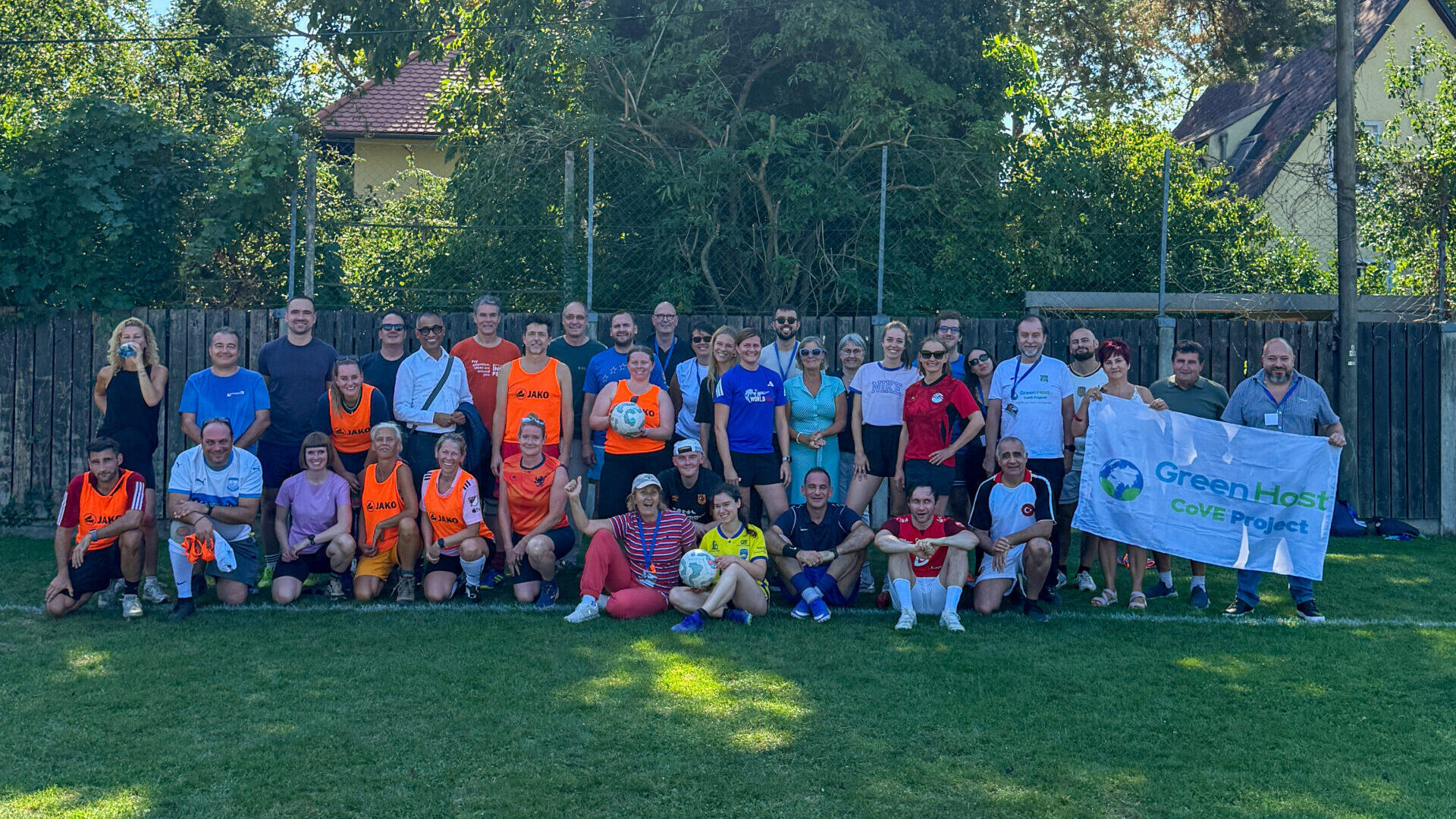
The CoVE Football Cup brought colleagues together in a relaxed environment, with EfVET members proudly taking to the football pitch. Many thanks to the organisers for bringing colleagues together in such a memorable way.
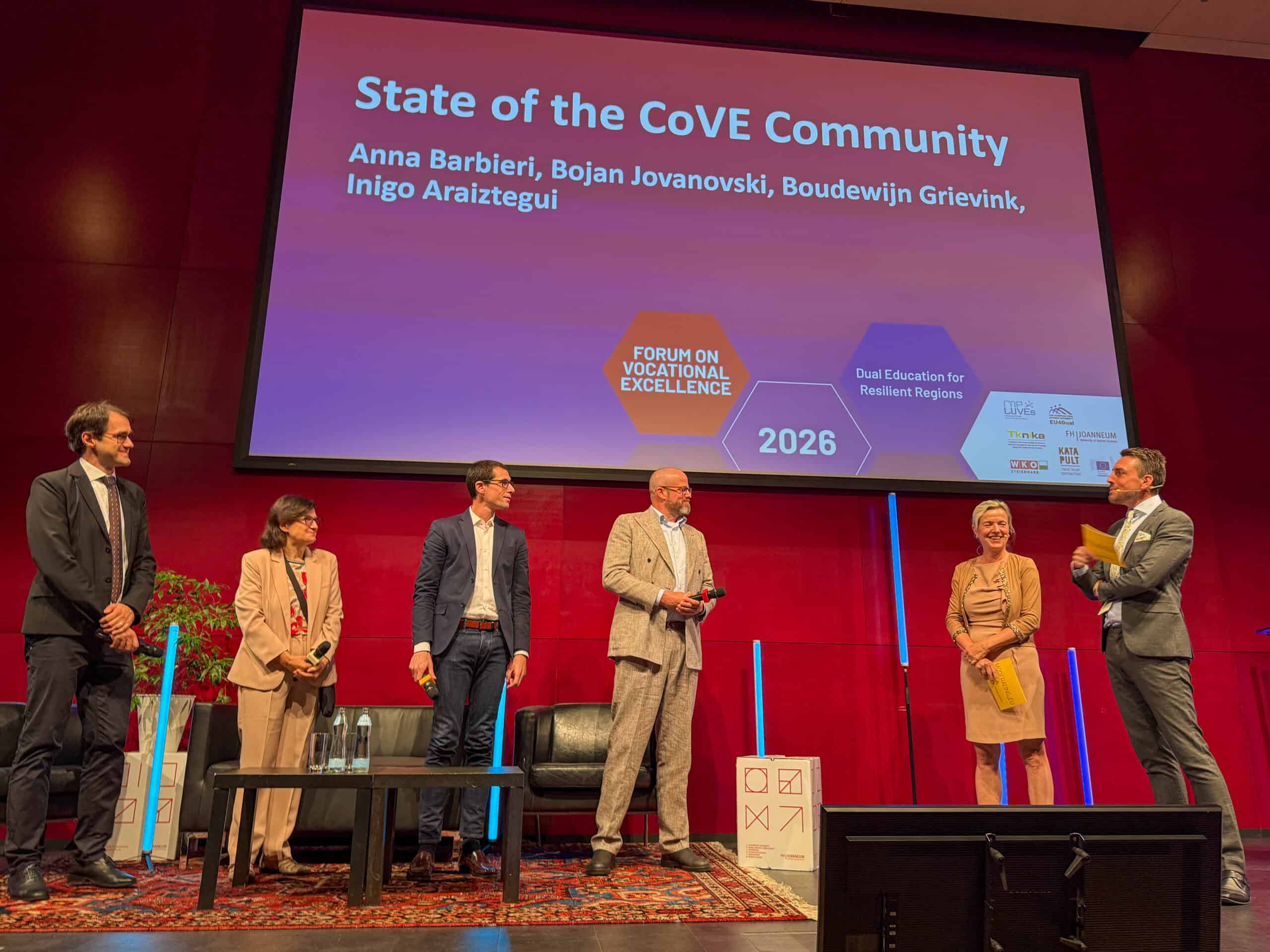
On the second day of the 2026 Forum on Vocational Excellence, Anna Barbieri (Directorate-General for Employment, Social Affairs and Inclusion, European Commission), Bojan Jovanovski (FH JOANNEUM), Boudewijn Grievink (Katapult) and Iñigo Araiztegui (TKNIKA) welcomed all participants to the 5th CoVE Forum in Graz.
A total of 91 CoVE projects have been established, with the potential to expand to 157 by combining them with previous Erasmus+ initiatives. This represents a significant growth in the number of vocational excellence centres across Europe. Iñigo Araiztegui stated that the CoVE community is thriving through collaboration. The community began in 2019 with project initiatives under the Erasmus+ programme, and it operates as a bottom-up community focused on solving collective challenges. “The idea is not about what your project or my project does, but what we can do together for each other.” This cooperative philosophy is reflected by all 91 Erasmus projects within the network. Bojan Jovanovski stressed that the community is entering a new phase as the first projects are coming to an end. He emphasised the importance of alumni and veteran members mentoring newer participants to create a knowledge-sharing cycle. His key messages were: ‘The experienced cohort brings institutional memory, while newer members contribute fresh ideas, particularly with regard to sustainability challenges and innovation, creating a dynamic exchange of experience and creativity’. Boudewijn Grievink underlined, “We have great collaboration between higher and secondary education and industry, as well as with our regional government. We hope that people will see how much more is possible, and that they will get some good ideas…” Anna Barbieri was keen to emphasise that this initiative is bringing a strong energy to vocational education and training. It’s improving its image and making it more attractive. As European policymakers, our role is to ensure that projects align closely with European priorities and policies.
She emphasised three critical aspects:
- Energy and attractiveness: CoVE brings ‘strong energy’ to vocational education and training, significantly improving its image and appeal.
- Policy alignment: European policymakers ensure that CoVE projects align with broader European priorities and strategic policies.
- Open dialogue: The community of practice establishes vital channels of communication between projects and European institutions.
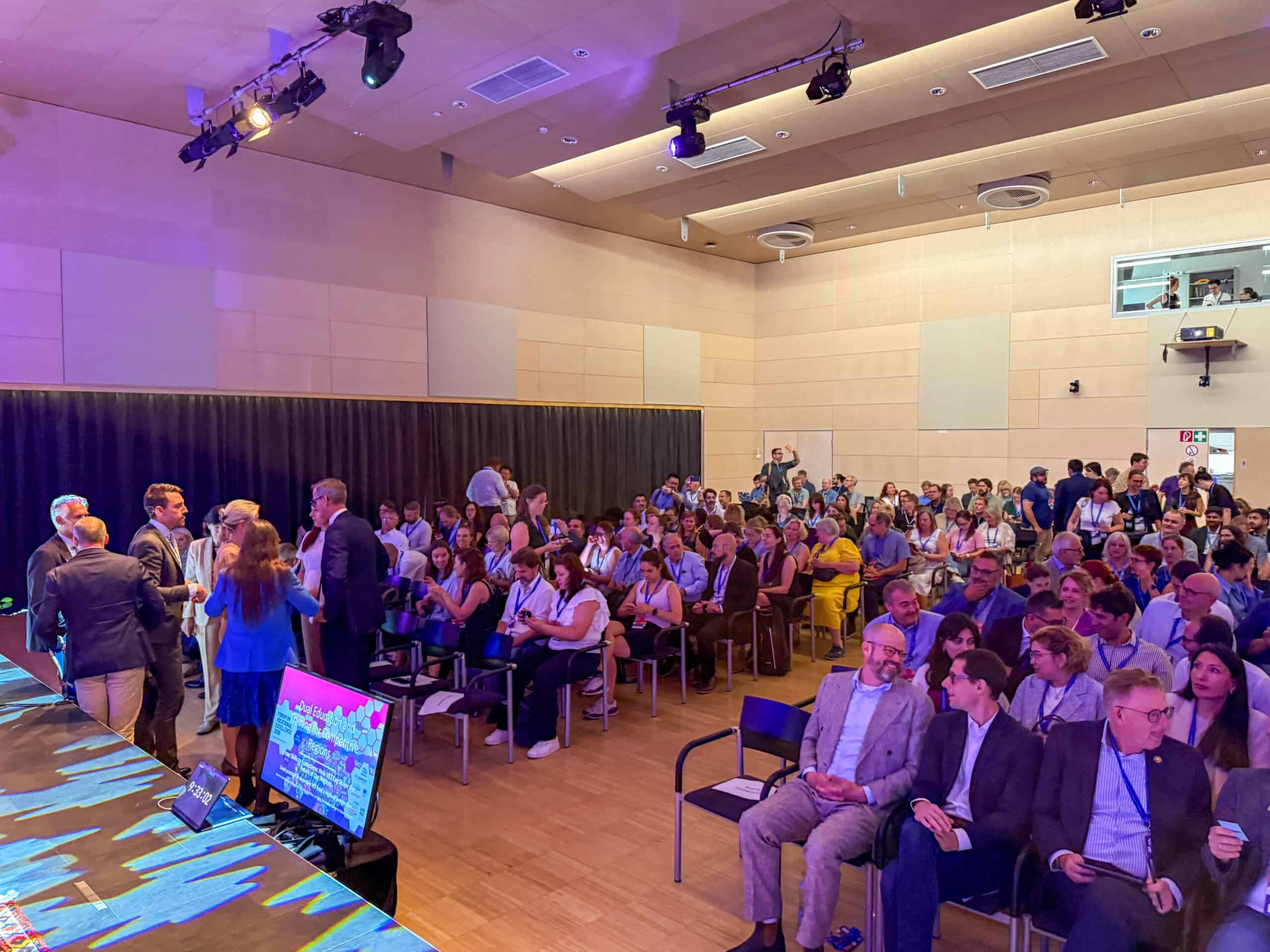
The official opening and welcome address for the fifth CoVE Forum were delivered by Antonia Herunter (Member of the Federal Council), Martin Payer (Financial Director at FH JOANNEUM University of Applied Sciences) and Stefan Olsson (Directorate-General for Employment, Social Affairs and Inclusion, European Commission).
The discussion centres on the Community of Practice for Centres of Vocational Excellence (CoVE) and its impact. In her key message, Antonia Herunter highlights that Austria’s dual education system enables life-changing opportunities by allowing individuals to transition flexibly between vocational training and university education. People can pursue vocational training at age 15, and then attend university if they wish, and vice versa. This flexibility is particularly valuable in rural areas, as it provides young people with the opportunity to study and build a career in the place where they grew up, rather than forcing them to migrate to cities. Ms Herunter emphasised that accessible vocational training is crucial for the economic development of rural regions while maintaining their population and quality of life. Martin Payer stressed that the true success of an event cannot always be captured by numbers alone. With 400 participants from 15 agencies gathered in one room, it is the palpable energy and connection created that makes the real difference. It is this collective energy — the feeling of professionals learning from each other and sharing experiences — that participants take home and translate into meaningful change in their respective regions and organisations. The Deputy Director-General for Employment at the European Commission, Mr Stefan Olsson, addressed the Commission’s vision for cooperation and the broader impact of the CoVE initiative on Europe’s competitiveness and individual development. He emphasised that these forums create essential spaces where practitioners can exchange best practices and strengthen the collective approach to vocational excellence across Europe.
Opening Talk Show: European Education for Resilient Regions
The speakers highlighted the importance of considering business skill requirements when developing new VET training, drawing on the positive experiences of Resilient Regions.
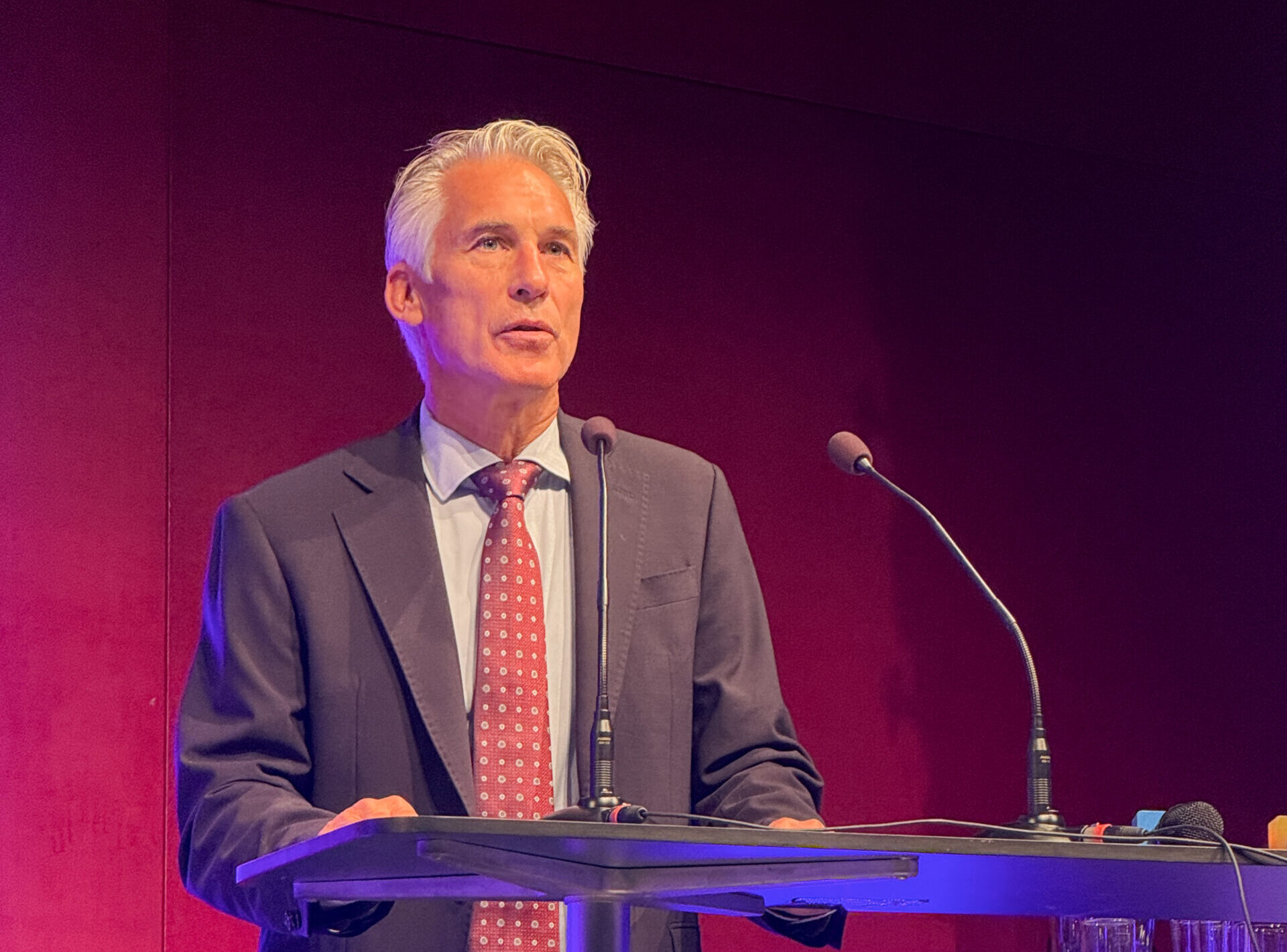
Keynote: The Upcoming European Strategy for Vocational Education and Training
Stefan Olsson, Deputy Director-General for Employment, Social Affairs and Inclusion, European Commission
Representing the European Commission, Mr Stefan Olsson provided a crucial perspective on how the EU’s emerging VET strategy fits into the broader European agenda. His speech outlined a fundamental shift in how European institutions view vocational education and training, moving it from the periphery to the centre of competitiveness, democracy and social cohesion, and not just policy proposals.
The European Commission is developing a comprehensive VET strategy which is currently around 70% complete. According to Mr Olsson, the VET strategy plays a pivotal role in uniting various initiatives, including the Fair Mobility Package, the Education Package, and the Quality of Jobs Act. The strategy’s primary focus is ensuring Europe can constantly adapt to rapid changes, from AI transformation to demographic shifts. Mr Olsson emphasised that ‘70% of professions facing skill shortages depend on VET education’, highlighting the central role of this sector in Europe’s economic competitiveness and resilience.
In his speech, Mr Olsson outlined the three key priorities:
Pillar 1: Continuous Adaptability and Modernisation
- Investment in VET’s capacity to respond rapidly to labour market changes
- Particular urgency given AI and rapid economic transformation
- Recognition that without adequate resourcing, VET systems cannot maintain relevance
- Challenge: “If we don’t have responsiveness in the time of AI, when entry-level jobs may disappear, apprenticeships could be threatened. We need high-level policy dialogue and investment.”
Pillar 2: Addressing the Perception Gap
- The “stereotype problem” remains Europe’s biggest challenge for VET
- Despite strong labour market outcomes (62% of VET learners find jobs; target is 82%), perception lags reality
- Gender disparity: Women are underrepresented in VET due to persistent stereotypes
- The solution: Transparent engagement with ministries, companies, and communities to shift cultural perception
- Olsson noted real progress: “I was in Sweden four weeks this summer, and I see a real shift. But in Portugal, for example, it’s not there yet.”
Pillar 3: VET as an Applied Research Partner (Not Competitor)
- VET institutions should collaborate with universities on applied research
- Current policy often sets them in competition for limited research funding
- Olsson proposed recognising VET’s unique research contribution — practical, sector-grounded, innovation-focused
- This requires policy integration with major funding mechanisms like Horizon Europe.
He highlighted several areas that still require attention, such as simplifying the administration of Erasmus+, placing greater emphasis on the views of learners in policy design and establishing effective cooperation with non-EU countries on skills recognition.
Mr Olsson concluded by affirming that the VET strategy signifies a significant change in EU priorities. Business leaders are now asking how the Commission will support skills development — a dramatic reversal from previous years when they resisted education-focused regulation. The strategy aims to ensure an understanding of the importance of VET is “really part of everyone’s thinking”. By investing in the modernisation of VET, addressing stereotypes and fostering genuine cooperation between educational institutions, employers and policymakers, Europe can create a skilled and competitive workforce that is prepared for the challenges ahead.
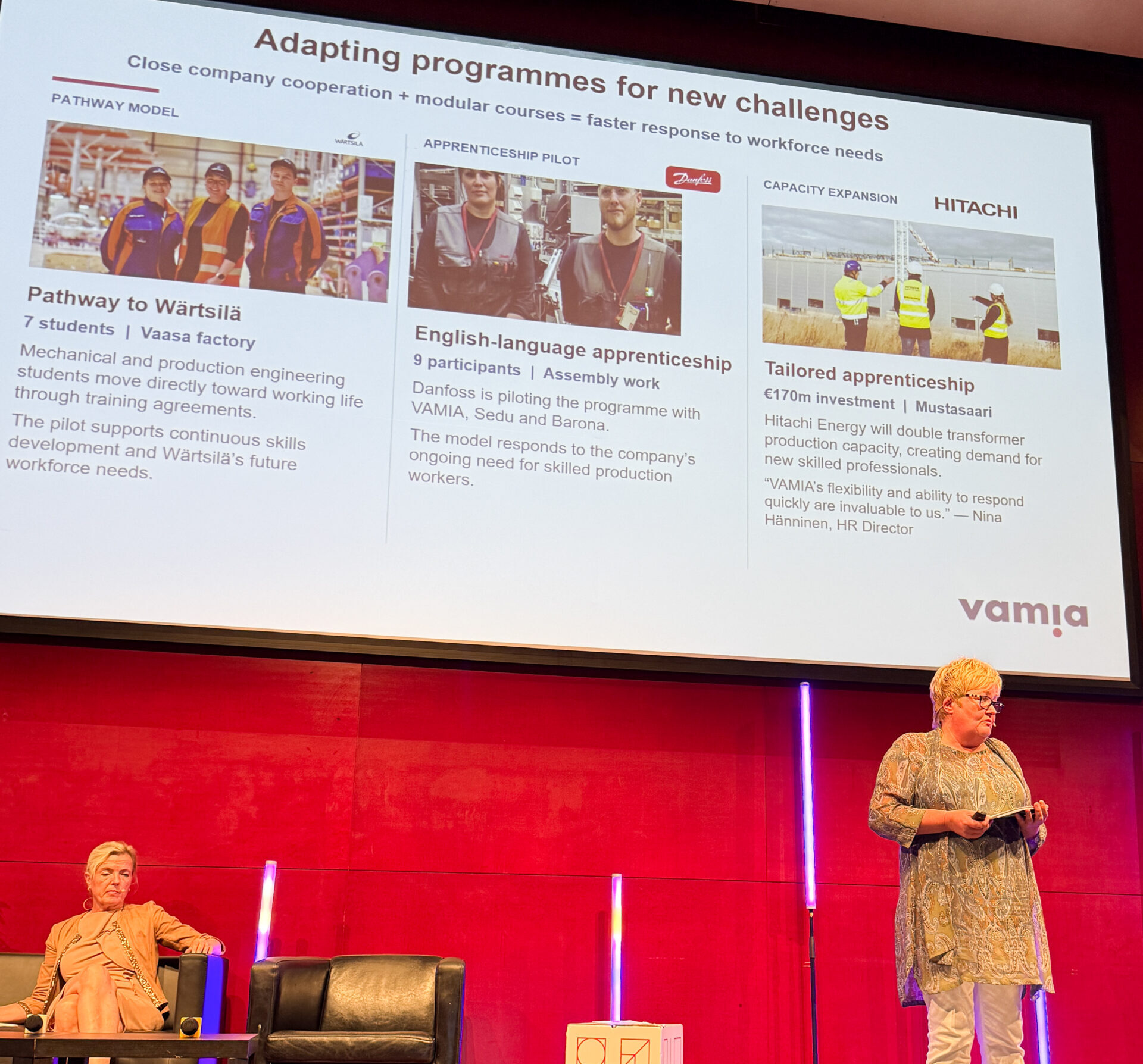
Keynote: Dual Education and Training for Competitive Regions — Good Practice in Secondary VET
“From Skills to Ecosystems: How VET Can Shape the Future of Our Regions”
Katarina Sandbacka (Manager of International Affairs at Vamia Vocational College in Vaasa)
In her presentation,gave us the clearest example. She demonstrated an excellent practical and transformative perspective, drawing on her experience representing EQF levels 3 and 5 vocational education initiatives at the CoVE Forum. What began in 2019 as an unfamiliar venture into the automotive sector evolved into a profound understanding of vocational education ecosystems. The distinction that Katarina emphasises is crucial: the difference between networks and genuine ecosystems. While networks merely connect people and organisations, ecosystems are far more profound. In a true ecosystem, organisations and individuals depend on each other, share joint responsibility for regional development and work towards collective impact rather than individual organisational gain. According to Katarina, this shift from transactional connections to interdependent collaboration is the real value of CoVE projects. It’s not just about achieving project deliverables or securing funding from the European Commission — it’s about transforming these connections into measurable, sustainable regional change. Even though they live in an interconnected ecosystem, many organisations do not truly work together. Higher education institutions, industry bodies, policymakers and local communities all exist within the same landscape, yet they operate with different responsibilities and competing priorities. Most critically, they are in competition with each other. Educational establishments compete for students, expertise, work placements and project funding. Industry competes with education providers for regional resources. Secondary vocational education is often undervalued and viewed as a cost rather than essential infrastructure for regional skills development. However, without practical vocational training, innovations remain theoretical, and companies cannot translate research into profitable products and services.
Katarina’s example from Finland shows the power of genuine ecosystem collaboration. In her region of 70,000 people, which is remarkably diverse internationally, the coexistence of a significant energy technology cluster (which employs 25% of Finland’s energy sector workforce) and major manufacturing exports (which account for 5.5% of national exports) is only possible because higher education and vocational training work together. The region’s success stems from its flexibility and continuous industry collaboration, as well as its innovative partnership models — from dual education systems and collaborative hackathons that bring together university and vocational students, to integrated programmes in which engineering students combine academic studies with practical electrical installation training. In her conclusion, she highlights: ‘Rather than waiting for companies to express their needs, education providers must proactively engage, anticipate future skills demands and demonstrate the tangible added value of genuine ecosystem partnerships. When regions witness real collaborative value creation, they are willing to invest in sustaining these networks.’
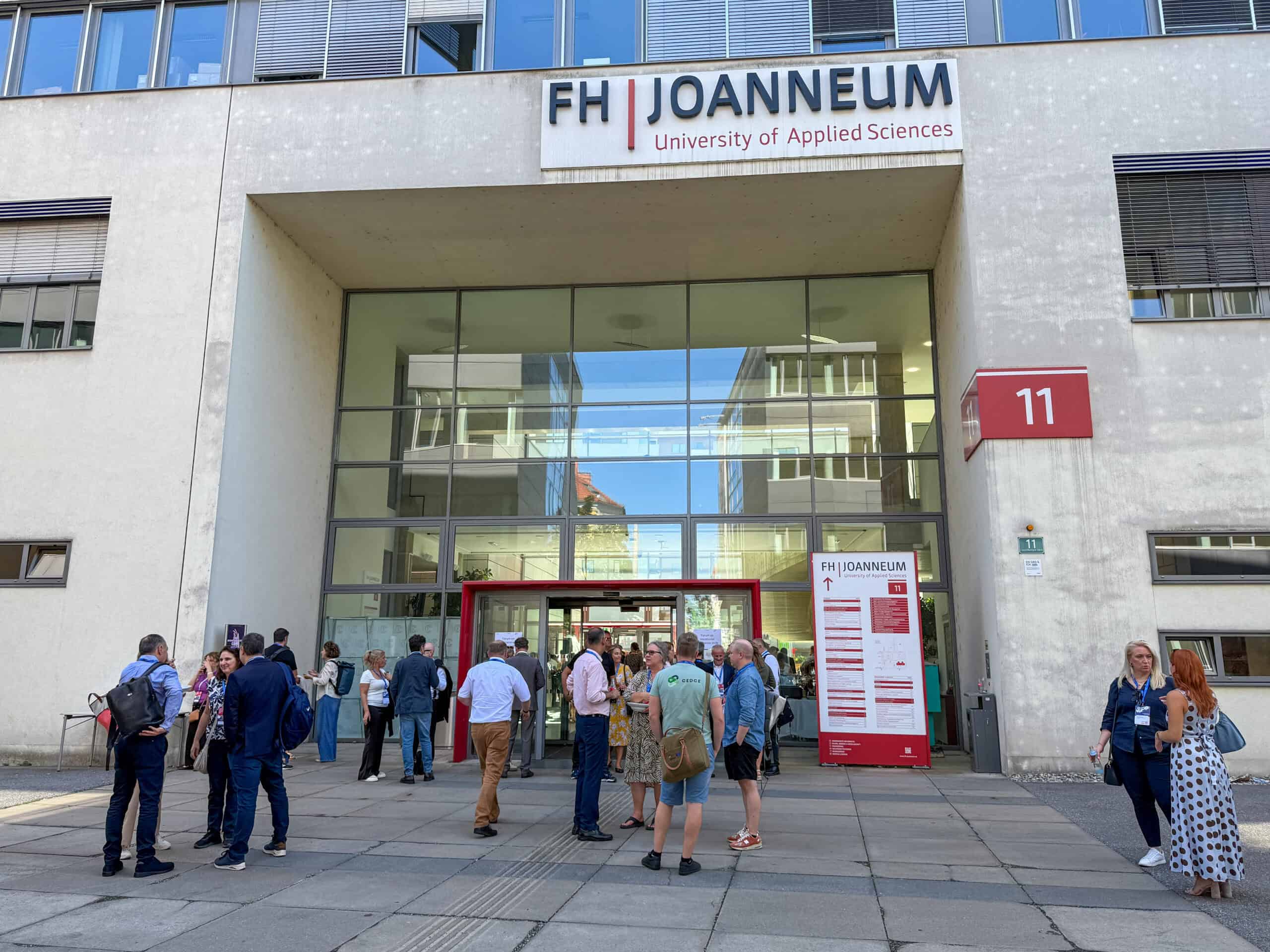
The afternoon was dedicated to the study visits.
The FH JOANNEUM campus in the west of Graz houses one of the largest UAS campuses in Austria. It offers around 30 bachelor’s and master’s degree programmes at six departments, providing state-of-the-art infrastructure for over 3,500 students: modern laboratories and studios, a library, modern lecture halls and lots of green spaces. During the study visits, participants will see various laboratories and teaching facilities and engage in discussions with teaching and research staff from different disciplines.
During the study tour, participants will explore the “Green Village” at HTL BULME Graz-Gösting, one of Austria’s most modern training centres for renewable energy technologies. The Green Village combines innovative learning environments with real-life energy systems and hands-on technical training. Participants will gain insights into practical applications of renewable energy solutions, including photovoltaic systems, wind energy, solar thermal technologies, heat pumps, energy storage, smart home technologies, and e-mobility infrastructure. The tour will also highlight the close cooperation between the school and industry partners, demonstrating how vocational education supports sustainable innovation and green skills development.
During the study visit, participants will explore Styria’s oldest agricultural school, founded in 1867. LFS Grottenhof offers vocational and continuing education in agriculture and forestry. Its organic teaching farm spans 110 hectares of farmland and 160 hectares of forest, with its own butchery, dairy, bakery, grain mill and the Bionah farm shop. The facility also features a new Bio Competence Center opened in 2023, which is Austria’s most modern bio-educational facility.
The study visit offers a comprehensive insight into WKO Styria’s leading initiatives and services in vocational excellence and future-oriented skills development:
Participants will explore the state-of-the-art Center of Excellence, featuring modern workshops, laboratories and innovative learning environments that showcase the strengths of dual education and advanced upskilling pathways.
In Room 466, participants will gain insight into applied research and strategic development in vocational education, including current research activities and international projects such as Senior Talent, GreenChem, REWINE and Twin:Tech, complemented by live demonstrations of innovative prototypes.
The programme also includes a short visit to the Talent Center, one of Europe’s leading competence diagnostics facilities, providing insights into data-driven career guidance and skills assessment.
A guided visit to the Chemistry Academy (independent VET provider) will highlight practice-oriented training across different qualification levels, supported by cutting-edge laboratory infrastructure.
The study visit concludes with an interactive exhibition of CoVE-related initiatives, partner projects and best-practice examples from Austrian companies, offering participants opportunities to engage directly with innovative approaches and solutions.
FH JOANNEUM Kapfenberg provides first-class educational opportunities for young talent in technology and business. State-of-the-art laboratories and excellent business contacts throughout the world give FH JOANNEUM graduates a head start in their careers. During the study visits, participants will visit various labs and teaching facilities, such as the Smart Production Factory, and gain insight into the educational programmes offered at the high-tech campus in Kapfenberg.
Visit the FH JOANNEUM Health Campus, which opened in September 2025, located in the old town of Kapfenberg, Styria.
Attend the presentation of the Nursing bachelor’s degree programme, which offers a study-location-based and practice-oriented education in both theory and practice across a variety of healthcare settings, including hospitals, long-term care facilities and mobile nursing services.
Participate in the guided tour in English through the campus and discover how simulation training in professionally equipped study labs enhances students’ professional skills during their studies.
Anton Paar GmbH is a global leader in the development and production of high-precision laboratory and process measuring instruments. Founded in Graz, Austria, the company serves customers worldwide in industries ranging from pharmaceuticals and chemicals to food and beverage production.
During the visit, participants will gain insights into Anton Paar’s innovation-driven approach, advanced manufacturing processes, and the role of precision measurement technologies in research, quality control, and industrial applications.
The study trip will focus on presenting our state-of-the-art Apprentice Training Center. Discover our leading initiatives and innovations in dual vocational education. You will gain comprehensive insight into how we actively shape future-oriented skills development and prepare the next generation for the challenges of tomorrow. Experience how theoretical knowledge is seamlessly integrated with practical application to foster highly skilled professionals. And learn about our commitment to sustainable talent development and our role in shaping the future of skilled labour.
At the bachelor level, Siemens will also share best practices on the implementation of work-integrated learning programmes, which have been successfully established since 2018. Gain insights into how academic education is closely linked with hands-on industry experience, enabling students to develop both theoretical expertise and practical competencies. Discover how these programmes support a smooth transition into professional roles while strengthening collaboration between academia and industry.
The exhibition featured around 30 projects, reflecting the variety of Vocational Excellence in practice.
The evening continued with an opening address by the Chamber of Commerce Styria, highlighting the importance of vocational education, skills development, and lifelong learning for Europe’s future. Strong education and training systems are essential to support innovation, competitiveness, and the green and digital transitions.
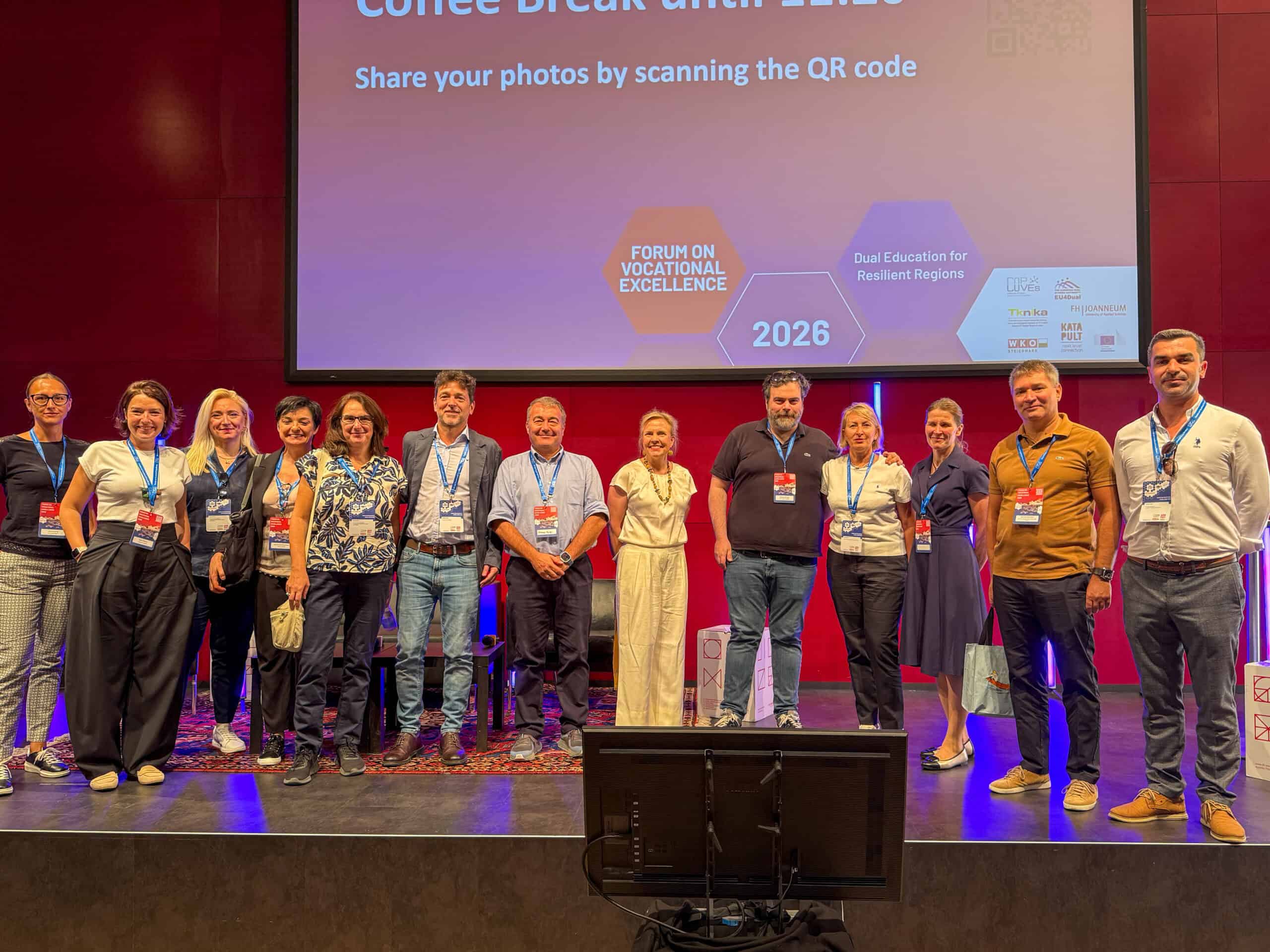
9 September
On the third day, we reflected on the previous day, during which the challenges had been clearly articulated. The second day moved on to solutions. On the second day, we explored how regions are implementing ecosystem approaches and how dual education systems are being redesigned to meet emerging skill demands. Participants were invited to share their own experiences and to identify the barriers and opportunities in their own regions.
Keynote Speeches: From Talent Shortage to Talent Advantage — Why Access to Qualified Talent Will Define the Next Era of Competitiveness
Birgit Phillips, Head of Learning, Innovation and Technology, FH JOANNEUM
Markus Tomaschitz, Company Spokesperson and Chief Human Resources Officer, AVL
Birgit Phillips, Head of Learning, Innovation and Technology, delivered a crucial message about the fundamental challenges facing vocational education in an AI-rich world. In her keynote speech, she explained that the real danger is not just that AI automates tasks, but that it eliminates the ‘productive friction’ necessary for genuine learning and the development of expertise. Phillips highlighted a critical distinction: while AI is adept at eliminating inefficiencies and providing immediate solutions, it also destroys the cognitive challenge that fosters lasting competence. She illustrated this with the example of a mechatronics apprentice investigating fault codes. Yes, an AI could provide the answer immediately. However, it is through the repeated process of investigation — the 30th, 40th or 50th diagnostic process — that the apprentice develops mental models, learns to recognise patterns and builds the judgement necessary to adapt when conditions change. This type of learning cannot be downloaded or acquired instantly; it must be earned through productive friction. Ms Phillips concluded that, in an AI-accelerated world, vocational excellence must go beyond performing today’s jobs. Education must develop adaptability, judgement, and the ability to apply expertise when tasks, tools, or contexts change. This is what we call transferable training.
Markus Tomaschitz, representing AVL — a major global automotive supplier — shifted the focus to the business imperative driving educational transformation. In his presentation, he articulated a fundamental reality: Europe is no longer in a position to compete primarily on capital or machines. The scarce resource is talent, and Europe’s demographic crisis makes this a matter of existential importance. Mr Tomaschitz drew attention to a common mistake made by many organisations: rushing to replace entry-level positions with AI and automation. This short-sighted approach destroys the experience pipeline necessary for developing future senior talent. While a plumber cannot be immediately replaced by a robot, the knowledge and judgement acquired through years of practical training cannot be replicated by AI either. Tomaschitz argued that the future workplace will see routine tasks — both manual and cognitive — increasingly automated by AI. This creates a paradox: fewer routine jobs will exist, yet the demand for complex, adaptive, human-centred competencies will grow exponentially. Jobs involving communication, empathy, creativity, critical thinking, strategic judgement and intercultural competence are not at risk — they are becoming increasingly essential. Doctors, for example, will spend less time on administrative tasks and more time listening to and counselling patients. Engineers will focus less on routine calculations and more on innovative problem solving and team leadership.
Vocational education must simultaneously move faster and go deeper — faster in adapting to emerging skill demands, deeper in developing the judgement, creativity, and resilience that AI cannot replicate. The future belongs to regions and organisations that master this balance.
Following the coffee break, the participants took part in a series of workshops.
Sectoral Workshops
- Co-Creating Excellence in Tourism VET: From Innovation to Impact & Consortium Management
- Farmers of the future – how do we secure the right skills?
- How Hydrogen CoVEs Accelerate the Green Energy Transition: Progress, Gaps and Ways Forward
- Imagine, Innovate and Educate: The Educators’ Role in Designing the Future of Learning with Researchers
- Industry 5.0 in HVET through learning factories 5.0, pedagogy and technology towards industry 5.0
- It is all about chips!
- No One Left Behind: Embedding Social Inclusion in Centres of Vocational Excellence
- Rethinking Skills Recognition in VET – From Challenge-Based Learning to Certification
- Sustainability of digital learning platforms: a case from the health care CoVEs
- The Living Destination: How to find common grounds
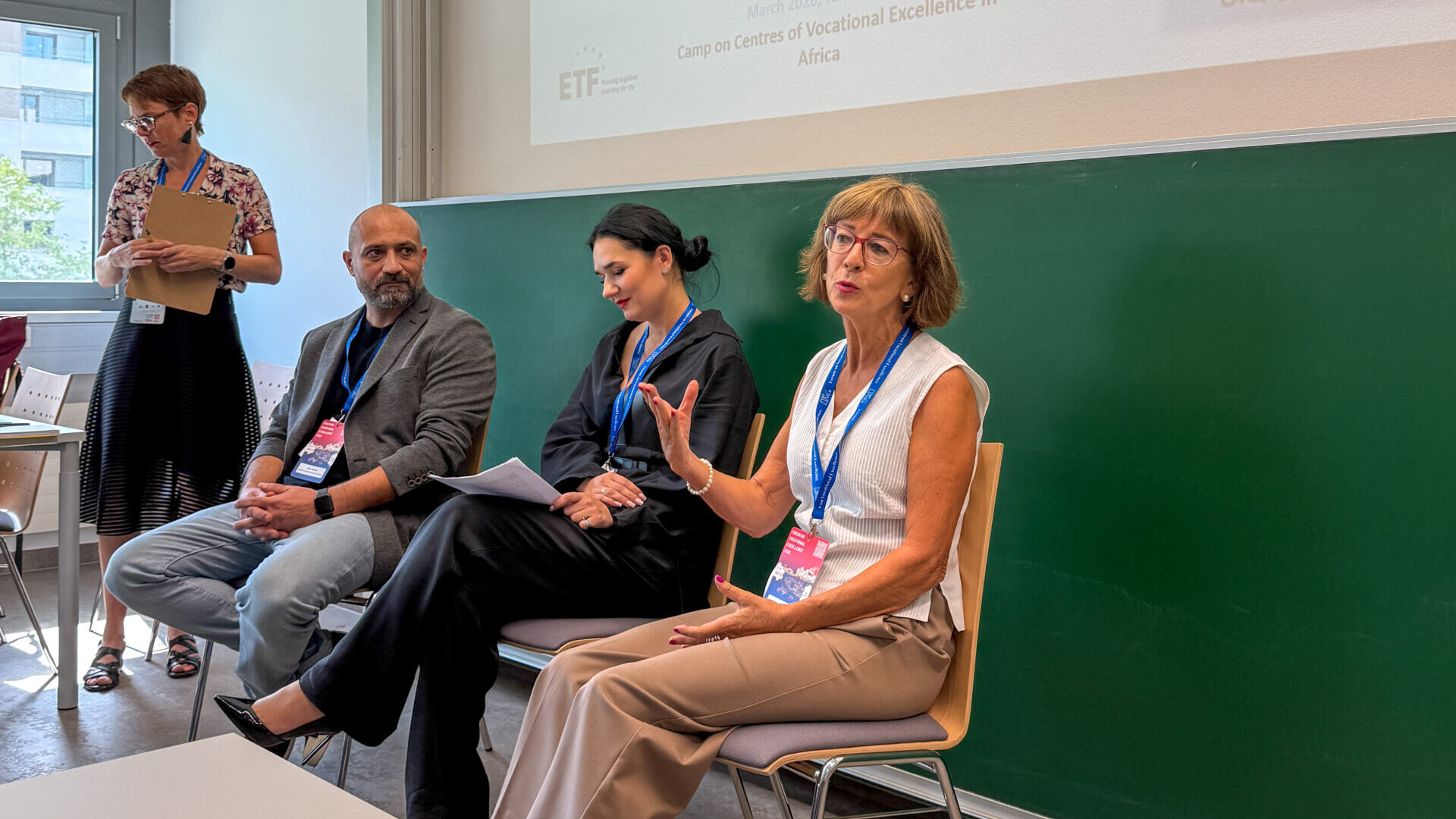
Transversal Workshops
- Project Management of Large Erasmus+ Projects
- Attracting Girls for Green and Digital Innovation in VET
- Building Demand-Driven Lifelong Learning – Through Ecosystem Dialogue
- Building Scalable RDI Models for Vocational Excellence
- Challenge Accepted: Bringing Real-World Problems into VET
- Continuation Strategies
- EU4Dual Experience – Joint Dual Micro-Credentials: Challenges and the Way Forward
- From Local Excellence to Global Impact: The International Dimension of CoVEs
- The AI Clinic: Solving Real AI Challenges in Vocational Education
- The Secret of Data
- Unlocking the Power of Dual Higher Education Programs
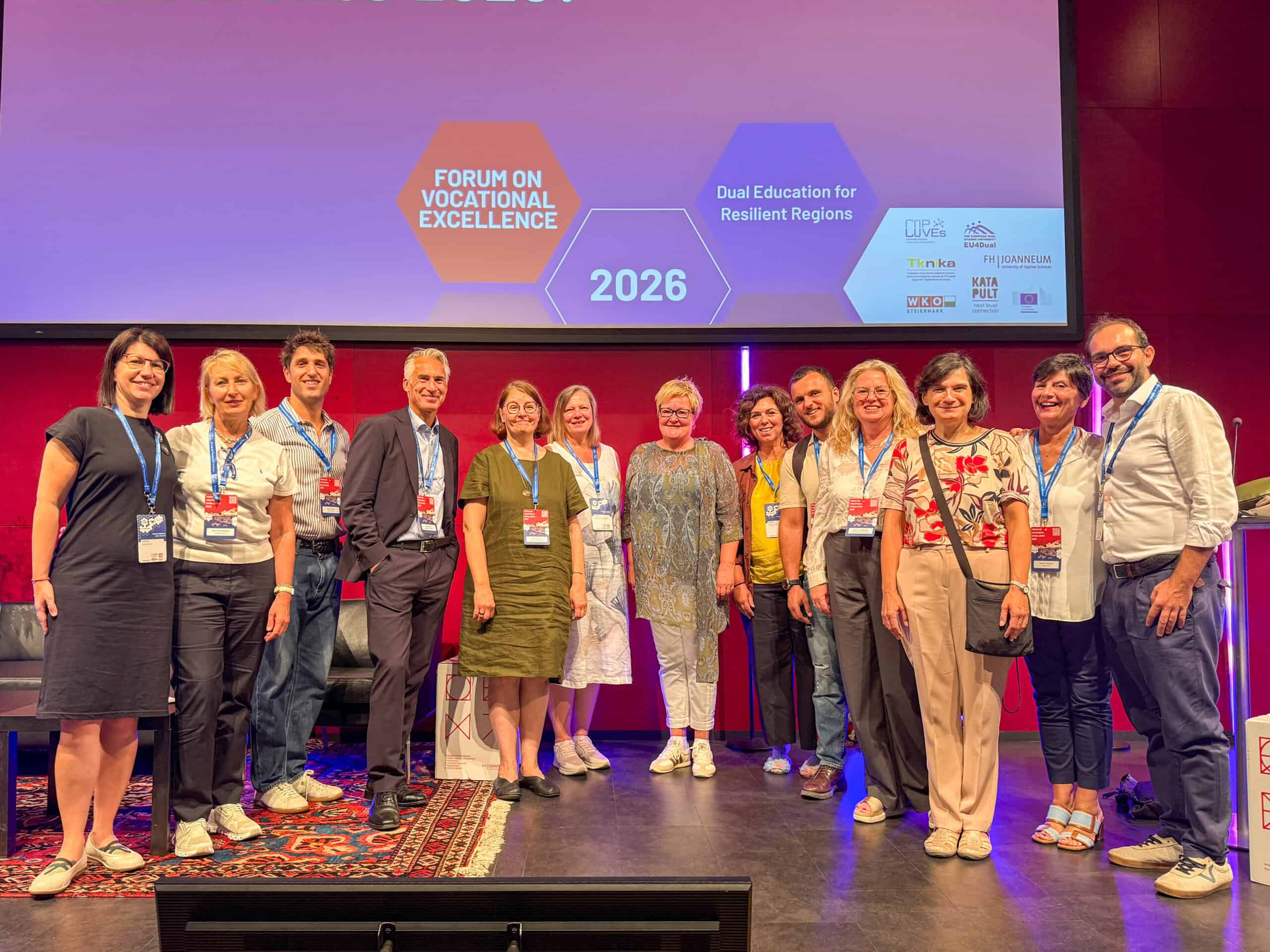
As the forum concluded, the community expressed their profound gratitude to the hosts in Austria and to the network that had made the gathering possible. Nevertheless, gratitude alone is insufficient. The real measure of success will be the impact that participants have when they return home, whether that be in their regions, institutions or classrooms.
The CoVE initiative has planted seeds. It has created the conditions for genuine ecosystems to emerge. It has proven that, when educators, industry leaders, policymakers and community members work with radical honesty about challenges and are committed to finding collective solutions, transformation can happen.
However, transformation cannot be achieved in a three-day forum alone. It requires:
- Sustained commitment from institutional leaders willing to continue collaboration beyond project timelines
- Structural changes in how education systems are funded, governed and evaluated, moving from project-based thinking to systemic sustainability
- Speed and courage to break through bureaucratic constraints and outdated regulations
Continued investment is also required in both innovation (developing new solutions for emerging needs) and scaling up (ensuring proven models spread across Europe).
The closing remarks were followed by the announcement of next year’s CoVE Forum, which will take place in Athens, Greece, in November. Ms Olga Kafetzopoulou, Secretary General for Vocational Education, Training, Lifelong Learning and Youth at the Greek Ministry of Education, Religious Affairs and Sports, said that while CoVE has generated many valuable initiatives, partnerships and best practices, the real challenge lies in translating these into sustainable, scalable outcomes. The next forum will address this critical issue. ‘What comes after excellence?’
During those days, Paolo Nardi (EfVET Executive Director), Valentina Chanina (Secretary General) and EfVET members attended the Forum, which provided an opportunity to connect with the Global Network for Excellence and the wider CoVE community, and to exchange ideas with partners from all over the world, including the Asian Development Bank (ADB).