
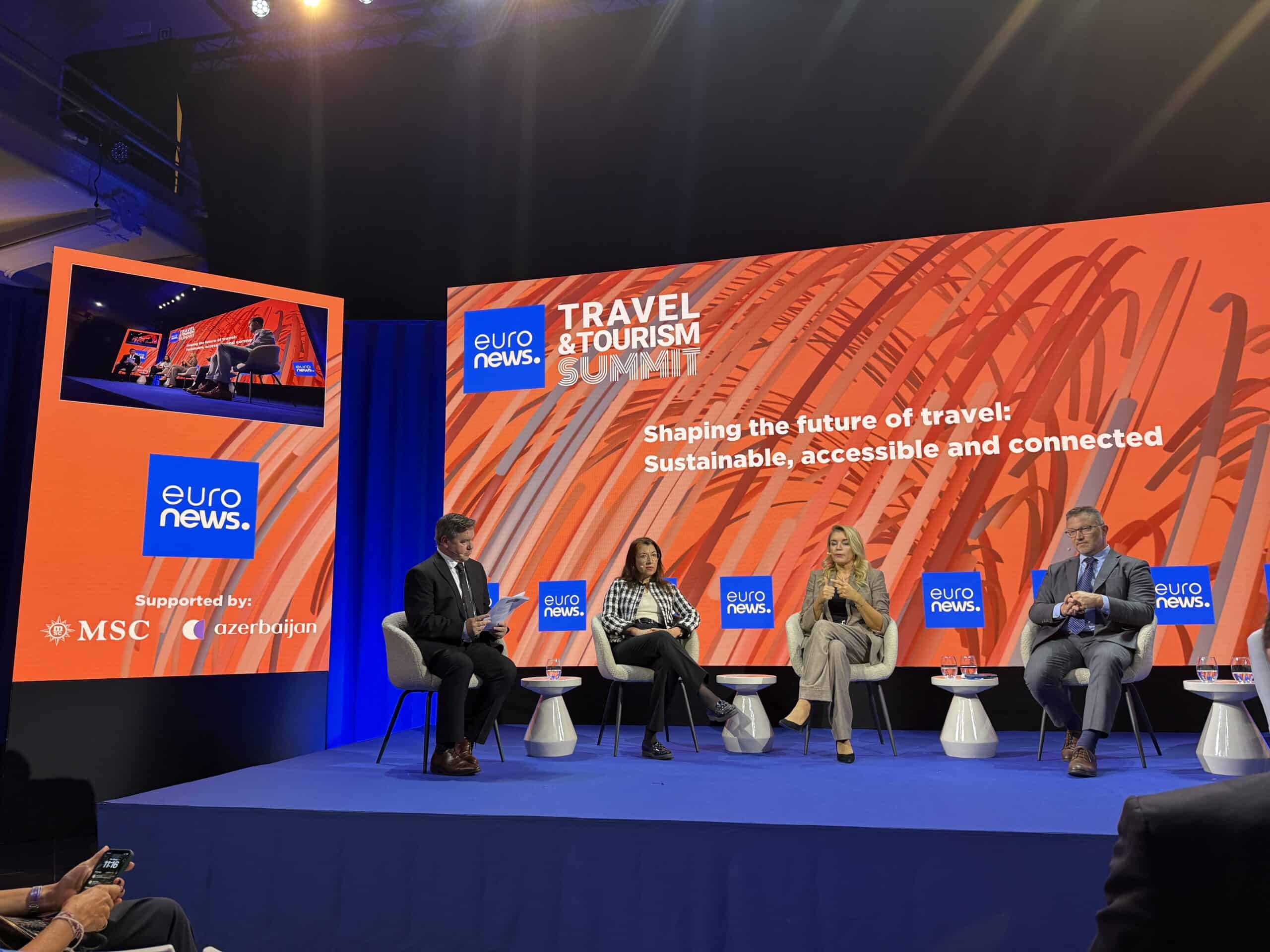
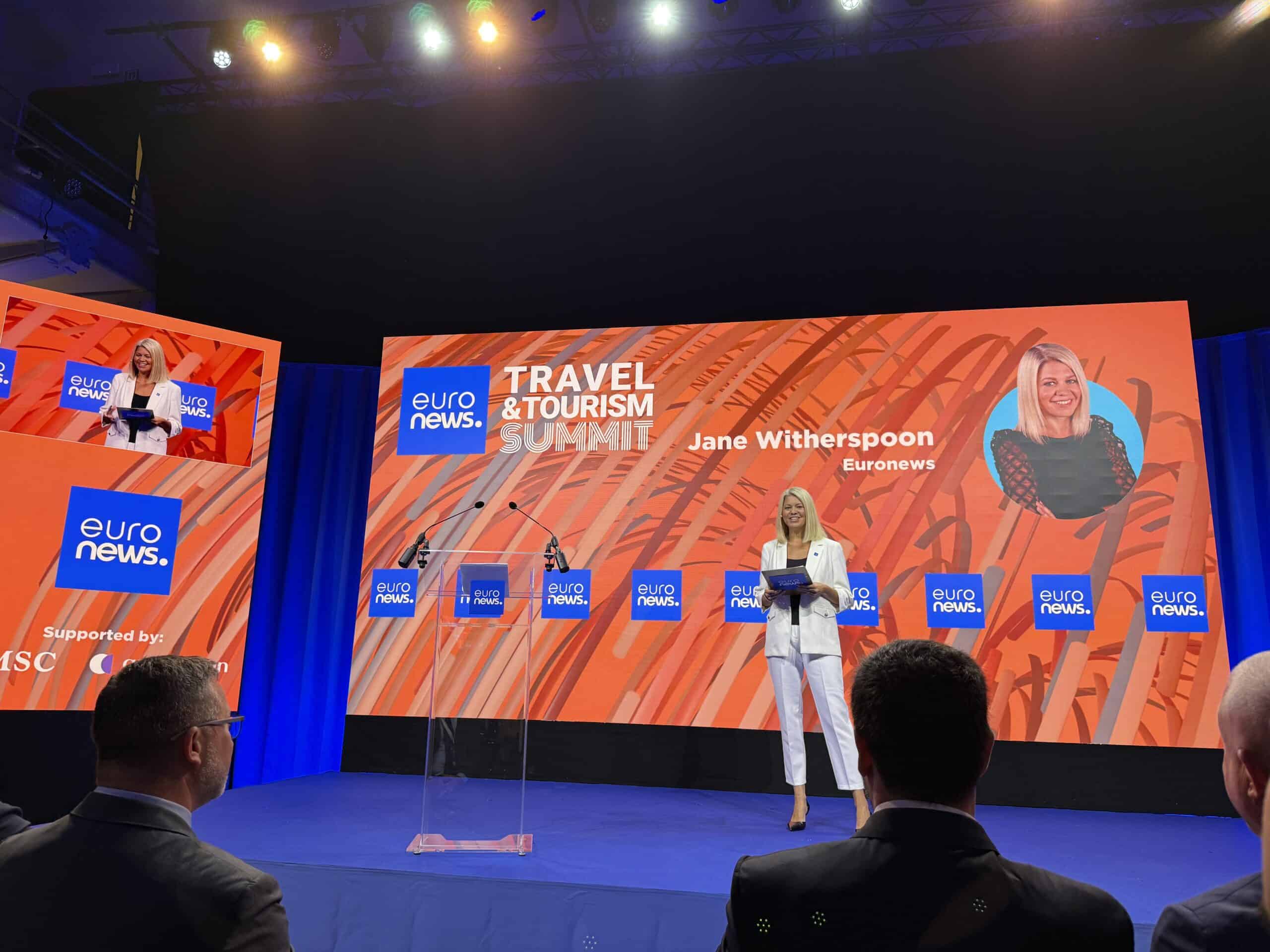
The Euronews Travel & Tourism Summit 2026 took place in Brussels, at the heart of European policymaking. The event marked the entry of travel and tourism into a new era, shaped by evolving traveller expectations, digital innovation, sustainability goals, and a more interconnected global economy. The event brought together policymakers, industry leaders, destination managers, innovators, investors and travel experts from Europe and beyond.
Participants discussed policies, technologies, investments and partnerships that are shaping the future of travel. These included sustainable mobility, destination management, aviation, digital transformation, hospitality, infrastructure and tourism investment. Speakers from the public and private sectors explored ways to build a more competitive, sustainable, resilient and connected tourism ecosystem. They recognised the tourism sector as one of the most important in the European economy, as well as a cornerstone of global connectivity that drives growth, supports jobs and fosters cultural exchange.
Brussels hosted the summit this year, just as the EU prepares its first-ever tourism strategy. The message from the stage was clear: Europe’s success is real, but it needs managing.
The numbers: At the start of the day, the chair of the summit announced that Europe had welcomed 793 million international tourists last year, accounting for 52% of the global total. Tourism is worth close to €1.9 trillion — more than 10% of the EU economy — and supports around 26 million jobs, primarily in small, family-run businesses.
Transatlantic ties: US Ambassador Bill White described tourism as ‘diplomacy in action’, stating that when people meet, politics takes a back seat. He made headlines by announcing that the US had approved Global Entry for Belgium, and that Belgian officials are now working on the paperwork. He also admitted that airport border control queues “must improve immediately”.
Eduardo Santander, the CEO of the European Travel Commission argued that overtourism is a management problem and not a reason to stop travelling. He identified extreme weather as the most significant emerging threat and noted that travellers are already shifting towards cooler destinations. Speakers from France and Hungary described how they are encouraging visitors to explore lesser-known places and off-peak seasons. France also emphasised the importance of offering affordable, train-friendly holidays to suit all budgets.
During the panel discussion, the panellists agreed that stopping tourists was unrealistic given that international arrivals have grown from around 25 million in 1950 to over 1.5 billion. Instead, they urged:
- Legal frameworks and carrying-capacity analysis for cities
- Better rail links and multimodal ticketing
- Hotel-industry action, including retrofitting existing buildings, with certification to avoid “green silence”.
Speakers from France and Hungary explained how they encouraged visitors to explore lesser-known places and visit outside of peak season.
Gianni Onorato, the CEO of MSC Cruises, highlighted that the industry is becoming more popular with younger families. He added that planning ships two years in advance gives destinations time to prepare. He also acknowledged that the lack of alternative fuels is a key issue and that governments must help increase production.
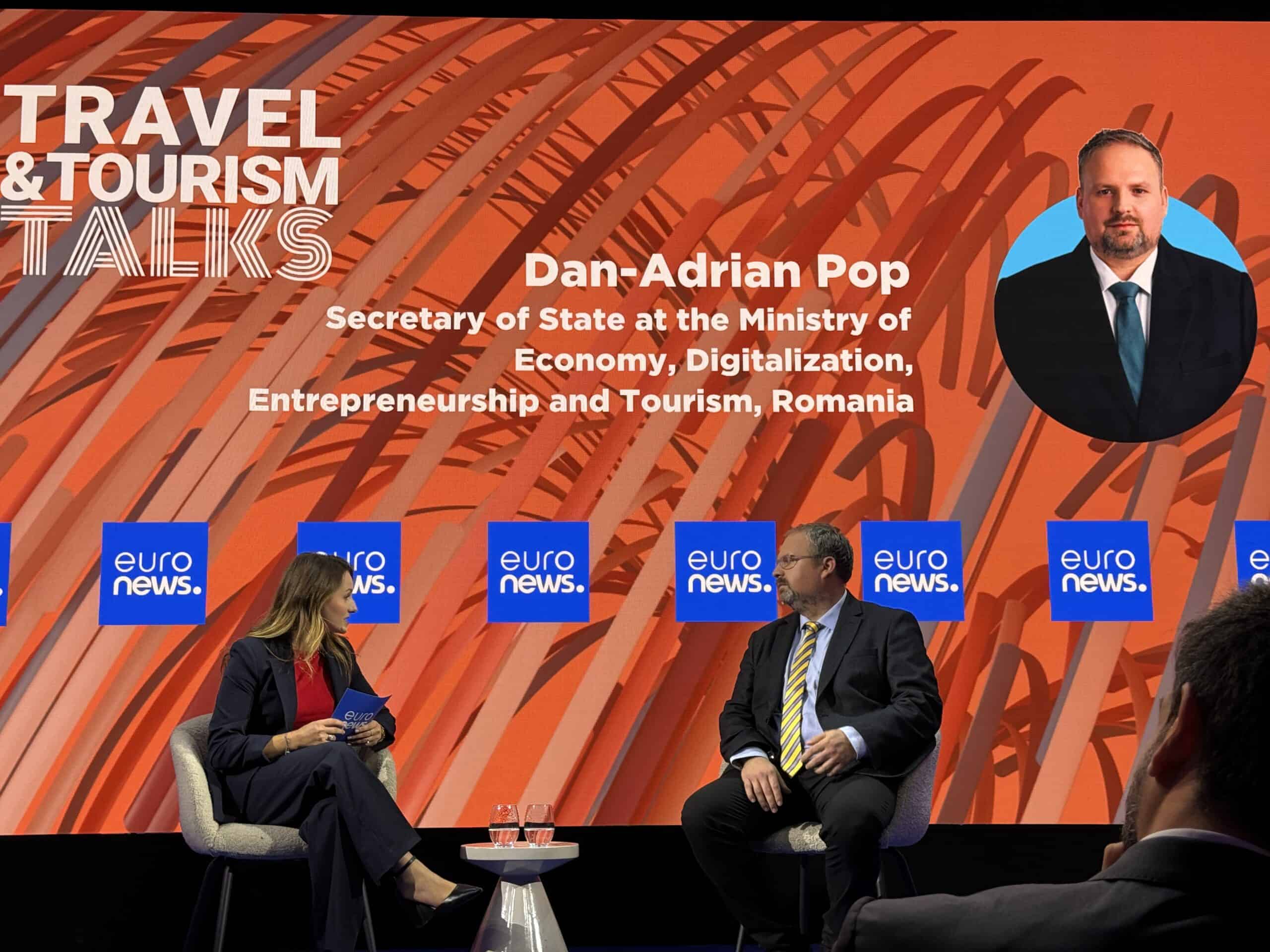
Romania’s Secretary of State, Dan Adrian Pop, stressed the importance of safety and rural, nature-based experiences. Florian Sengstschmid, the CEO of the Azerbaijan Tourism Board, announced that Azerbaijan’s tourism representative had introduced easier entry through pre-registration instead of visas, as well as new flights from Brussels.
Albanian Prime Minister Edi Rama emphasised that Albania is targeting the whole world, presenting it as one of Europe’s safest countries with great food and hospitable people. He said that in just 28,000 square kilometres, visitors can find two seas, nine rivers and varied mountains within a single week. He provided figures to illustrate the transformation. When his government began, Albania received around 2 million visitors, including returning Albanians. Last year, however, it welcomed close to 12 million foreign visitors from Europe, Japan, Latin America, Australia, China, and Israel. When asked about infrastructure, Rama admitted that Albania does not have the best in Europe, but argued that visitors come for the experience. He said that Tirana’s airport has been one of Europe’s fastest-growing for the past five or six years and now handles more passengers than Belgrade’s airport. On one August day, it handled 329 flights in 24 hours. A new airport is planned in the south, with others in the pipeline, including a seasonal one.
Aidit Erkin, the Kyrgyz Republic’s Ambassador to Belgium, was asked which change would most help her country’s tourism. She cited energy as the key issue, emphasising the importance of closer partnership with the European Union and of addressing climate change and environmental challenges. She also wanted European travellers to know that although Kyrgyzstan is a young state, it is an old nation that is mentioned in Chinese sources from around 200 years before Christ, and has a rich cultural heritage.
Conclusion
Throughout the day, the speakers agreed that Europe’s success in tourism is genuine, but not guaranteed. To maintain this success, smart governance and data are essential, as well as spreading visitors across regions and seasons, cleaner transport and fuels, and keeping local communities at the centre. New destinations, ranging from Albania to Azerbaijan and Kyrgyzstan, are keen to be included on the map. The summit’s advice to them, and to everyone else, was to grow carefully.