
In 2026, Slovenia celebrates 30 years of higher vocational education. The journey began when five colleges welcomed their first 342 students. Today, Slovenia has 49 higher vocational colleges, 32 public and 17 private, educating more than 10,000 students. Nearly 60,000 graduates have completed higher vocational programmes since the system was established.
One of the defining characteristics of Slovenia’s higher vocational education system is its strong integration of education and employment. Practical training in companies gives students direct experience of professional environments, technologies, production processes and customer relations. Employers are not merely providers of placements, they are active partners in shaping curricula and ensuring that graduates develop the competences needed in the labour market.
Industry professionals also contribute to teaching, bringing current knowledge and real-world experience into classrooms and laboratories. This partnership is particularly important at a time when businesses face rapid technological change, skills shortages and increasing demands for adaptability.
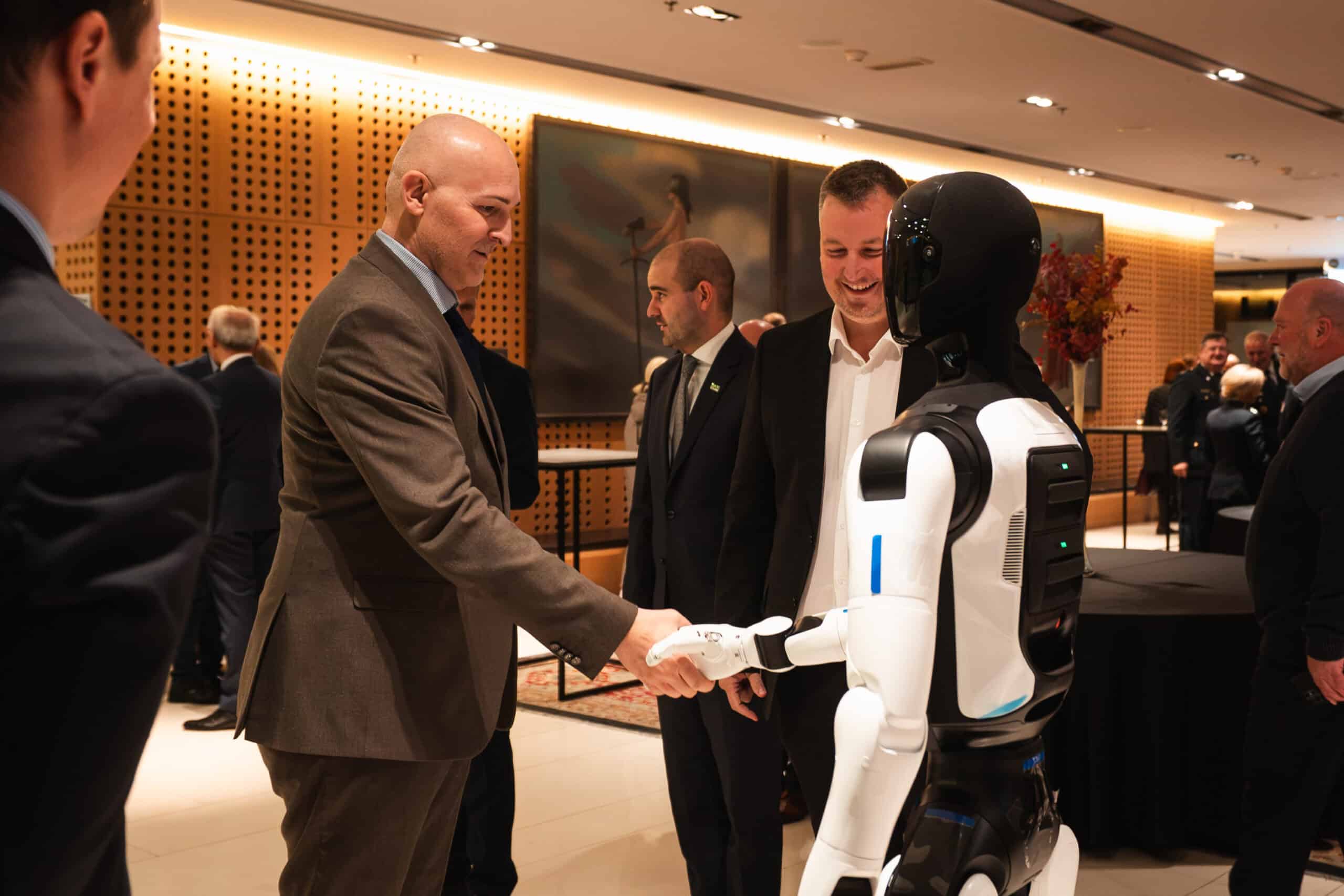
The 30th anniversary also highlights new challenges and opportunities. Slovenia has an industrial robot density of 315 robots per 10,000 employees in the manufacturing sector, ranking fourth in Europe and seventh worldwide. This creates a growing demand for professionals skilled in programming, integrating and maintaining robots, as well as working with artificial intelligence, digital twins and sustainable solutions.
Higher vocational colleges are well positioned to develop these future professionals by combining expert teaching, hands-on learning and real-world industry experience. Strengthening international partnerships, increasing participation in Erasmus+ and other European projects, promoting student and staff mobility, and enhancing the international recognition of qualifications will further raise the visibility and competitiveness of Slovenian higher vocational education.
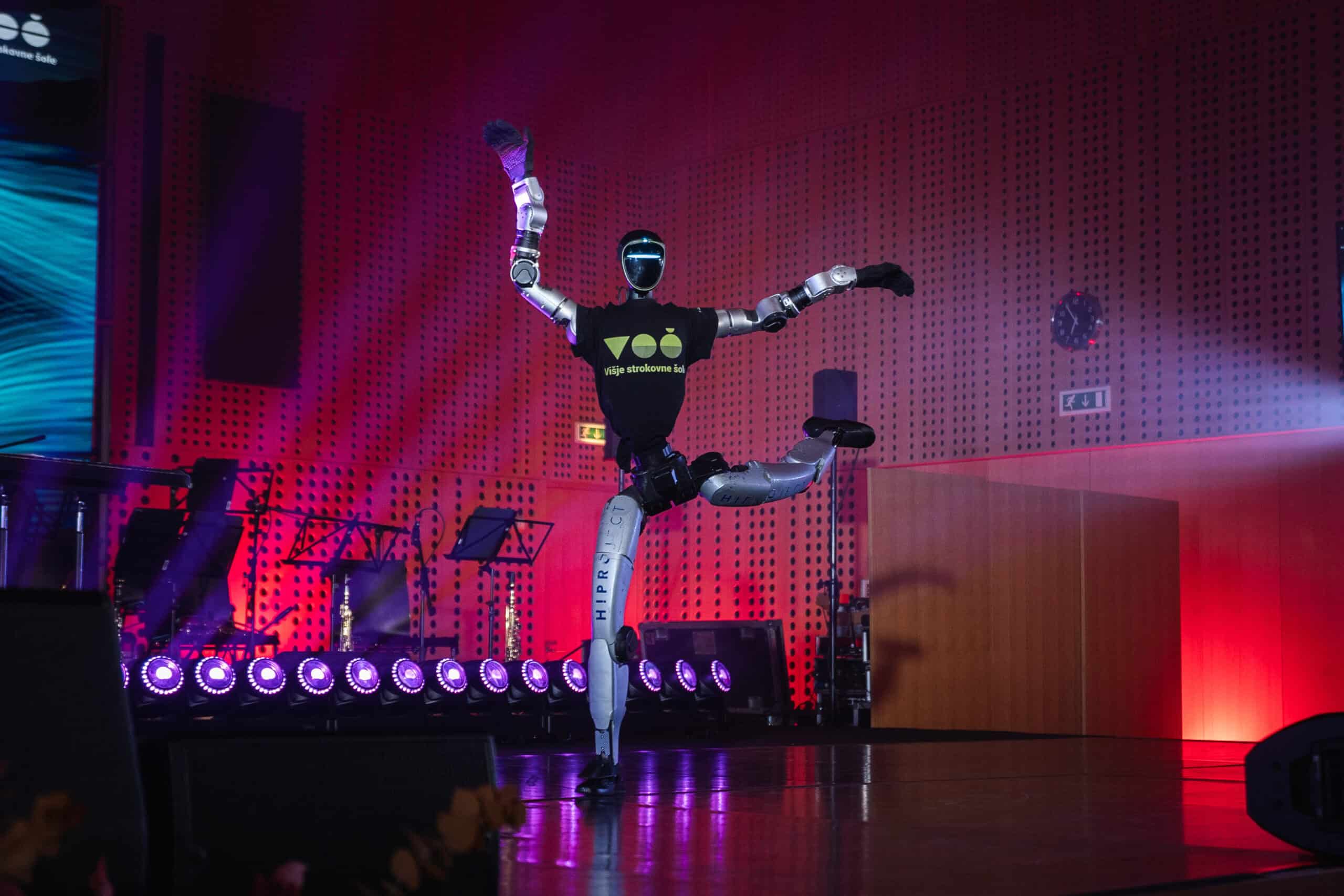
As Slovenia celebrates 30 years of higher vocational education, the focus is firmly on the future: closer cooperation with industry, technological innovation, flexible lifelong learning opportunities, stronger international partnerships and a more prominent role in the European higher vocational education landscape.