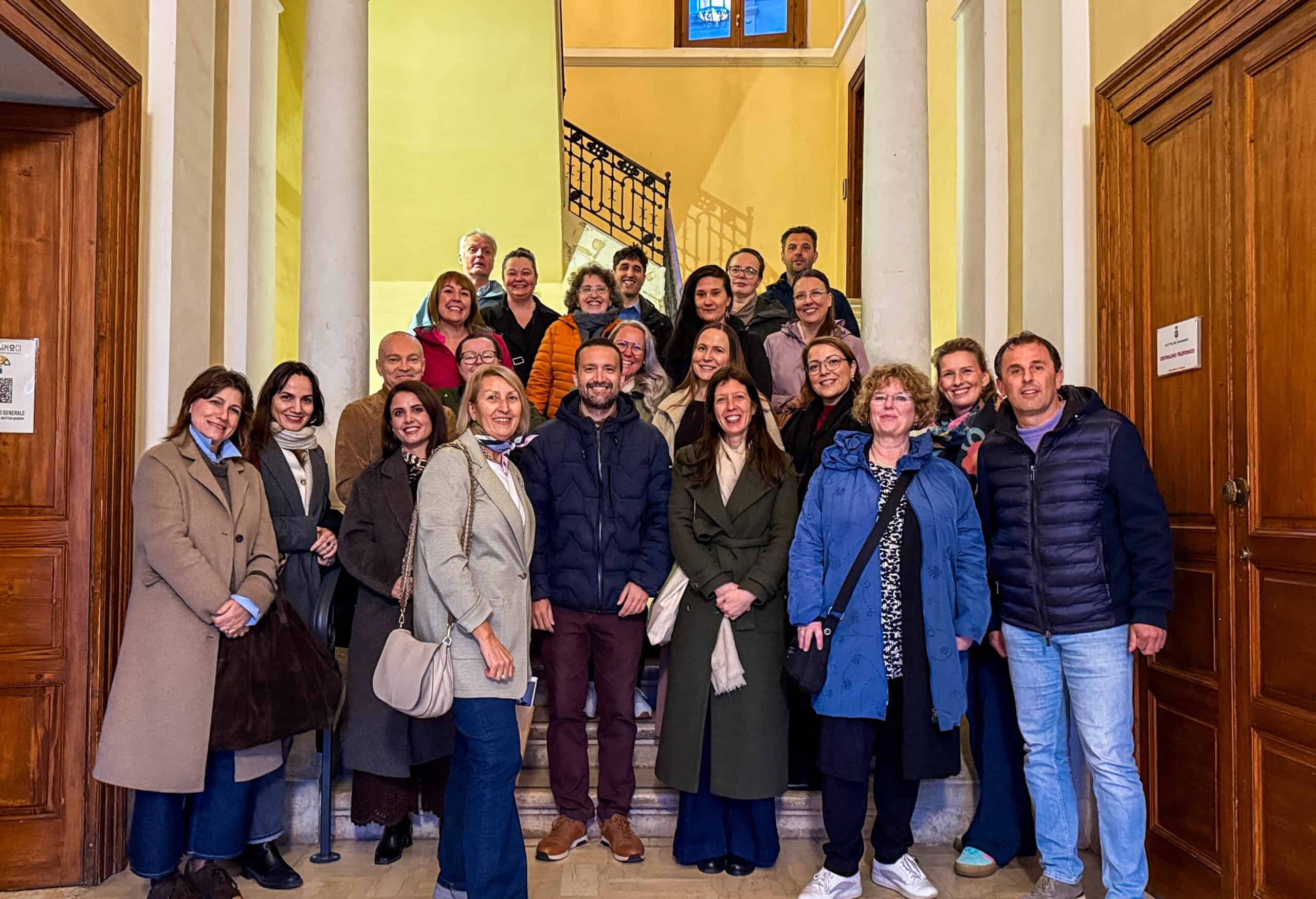
The 2026 Annual Event of the Tourism Thematic Team (TTT) of the EfVET has concluded with an extremely positive outcome. The event took place from 18 to 21 March, in Fasano (Italy). The event in Fasano was organised by EfVET and hosted by the Puglia Region, Puglia Culture and the Municipality of Fasano as part of the GUSTI Project of the INTERREG Italy–Croatia Programme 2021–2027. For three days, Fasano became an open-air development laboratory, with plenary sessions dedicated to the challenges of tourism training and thematic working groups on new professional profiles. There were also workshops on digitalisation, sustainability and inclusive hospitality, as well as networking opportunities and guided tours. These allowed guests to experience the area’s landscape and cultural heritage, as well as its excellent tourism offering, first-hand.
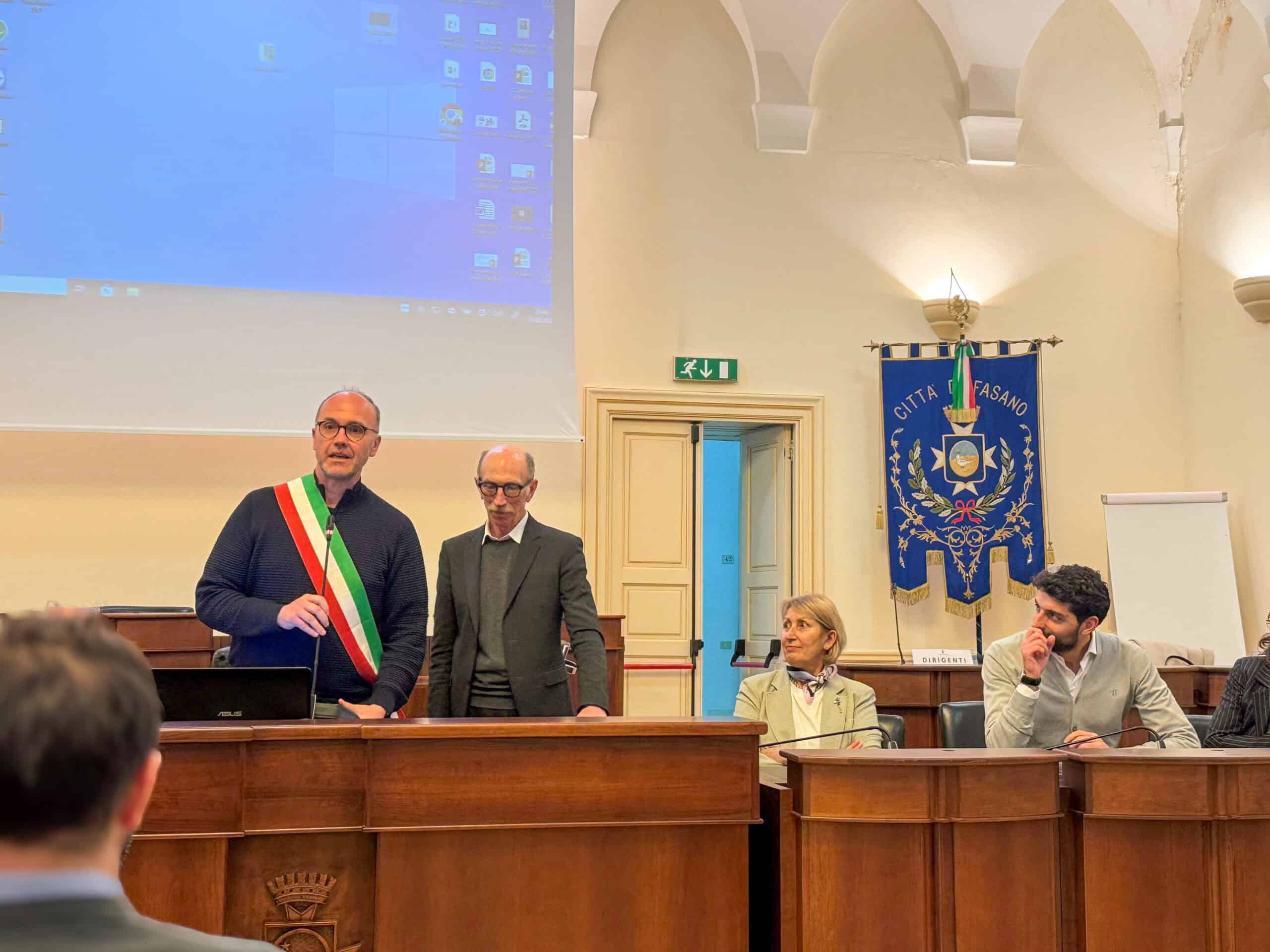
The Welcome Reception – Day 1
Lino Manosperta, Head Coordinator of the Department of Culture, welcomed the TT in Fasano aiming at “creating not only a productive space for exchange, but also a meaningful experience of our territory, our culture, and our community”. Puglia is a region rich in history, creativity, and identity, where culture plays a central role in connecting people, fostering innovation, and supporting sustainable development. We are proud to host you here and to share with you a glimpse of what makes this region unique.
Mayor Francesco Zaccaria opened the Institutional Welcome highlighting the Fasano “territory’s ability to combine quality tourism offerings, innovation, and education [through] the dialogue between institutions, businesses, and the educational world [able to generate] concrete ideas and new collaborations, strengthening the role of young people”. Paolo Ponzio, President of Puglia Culture, said: “In an era of great transformation, culture can no longer be viewed merely as heritage to be preserved and protected. It must be understood as a driving force for eco-sustainable and conscious development; the connective tissue that links hospitality to our identity and transforms every visit into a meaningful experience.”
Concluding the session, Manuela Rosato, Councillor delegated for international promotion, clarified that “Events like this strengthen our city’s international positioning and help build new opportunities for the future, fostering relationships, collaborations, and shared training pathways that can translate into development, attractiveness, and new prospects for our tourism system. Fasano’s vocation for tourism is now increasingly broad, and international dialogue represents one of the most effective tools to accompany its growth in a sustainable and competitive way”.
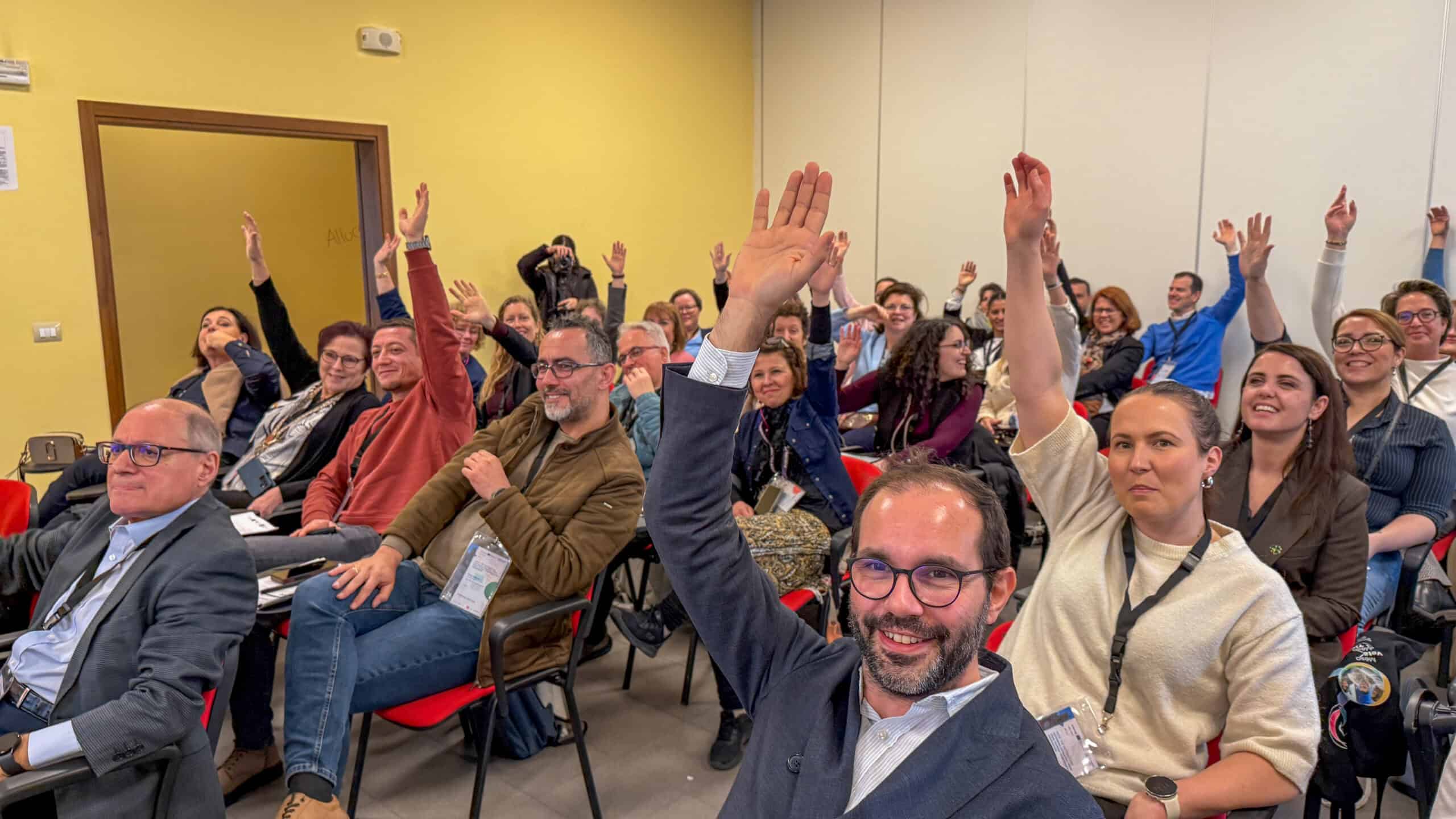
Opening and plenary Session, Teamwork – Day 2
On the second day of the TTT event, hosted by CiaiaLab, keynotes from institutional representatives, industry stakeholders and experts from various European backgrounds were held. Federico Tubiello, TT coordinator, welcomed everyone warmly and guided the attendees through an insightful exploration of the event’s history and agenda.
President EfVET Joachim James Calleja in his welcome to the event highlighted the importance of hospitality skills and vocational education both at the European level, regional and local level. Tourism is not just about the economy. It is also about society, culture, and community survival. In many places, people immediately lose their jobs and livelihoods if tourism stops. We must strengthen the partnership between schools and industry. Without cooperation, the system will not work. Education must become more practical and skills-based and connected to industry. At the same time, tourism jobs must improve in quality and attractiveness to meet the needs of the future workforce. Where there is tourism, there is progress.
Elfa Kere, a policy officer at the European Commission’s Directorate-General for Mobility and Transport (DG-Move), highlighted: ‘The upcoming EU Strategy for Sustainable Tourism represents a shift from fragmented initiatives towards a coordinated, scalable and forward-looking approach.’ By combining governance reform, digitalisation and the transition to a green economy, alongside investment in skills, the EU intends to establish tourism as a sector that is both resilient and future-proof, capable of driving economic growth and social cohesion.”
Rino Scoppio, Business Consultant and Trainer, discussed the necessary skills for working in tourism and hospitality, emphasising the importance of vocational training, technical specialisation, soft skills, digitalisation, and service quality in this sector.
Bruno Lanvin, representing WorldSkills, concluded giving a key presentation on new standards of excellence in tourism skills and the impact of international standards on the quality of training and services. The panel discussion with Lanvin and James Calleja helped sharing strategic insights and best practices that link tourism, mobility, and vocational training as key factors in the sustainable development of local areas.
The discussion involved educators, coordinators and industry professionals from international projects in tourism, hospitality and vocational education and training projects. A major concern raised was the disconnect between the education system and the needs of the labour market. Many graduates leave school without the practical skills required by employers. Therefor was also a call for work-based learning models:
- Apprenticeships
- Internships
- Project -based learning
It was noted that students are more likely to remain engaged in education when they can see a direct connection between learning and employment.
During the following session focused on identifying common challenges, participants ranked priorities from different points of view (directors, international coordinators and teachers) arriving to some common issues:
- Education is not keeping pace with the tourism sector
- Soft skills and human skills are weaking
- Internationalisation needs shared ownership
- Long-term impact of EU projects is different to secure
- Coordination with stakeholders and the labour market is still weak
- Tourism careers are not attractive enough
In the same context of the three‑day Tourism Thematic Team Annual Event, the “Turismo è Lavoro – Job Day” served as an additional strategic moment to reinforce collaboration among businesses, young people, VET centres, and key stakeholders of the local tourism ecosystem. The event offered participants the opportunity to engage in job interviews with over 40 local companies, generating more than 1,500 introductory meetings throughout the day. The presence of the EfVET Executive Director Paolo Nardi, invited among the institutional speakers opening the event together with the Fasano Councillor for Tourism, further highlighted the strong synergy between European-level discussions on sustainable tourism and local labour‑market dynamics. The simultaneity of these two events created a unique multi‑level exchange, positioning Fasano as a place where European policy, market needs, and innovative vocational training approaches converge, fostering new collaborations and professional opportunities for the future.
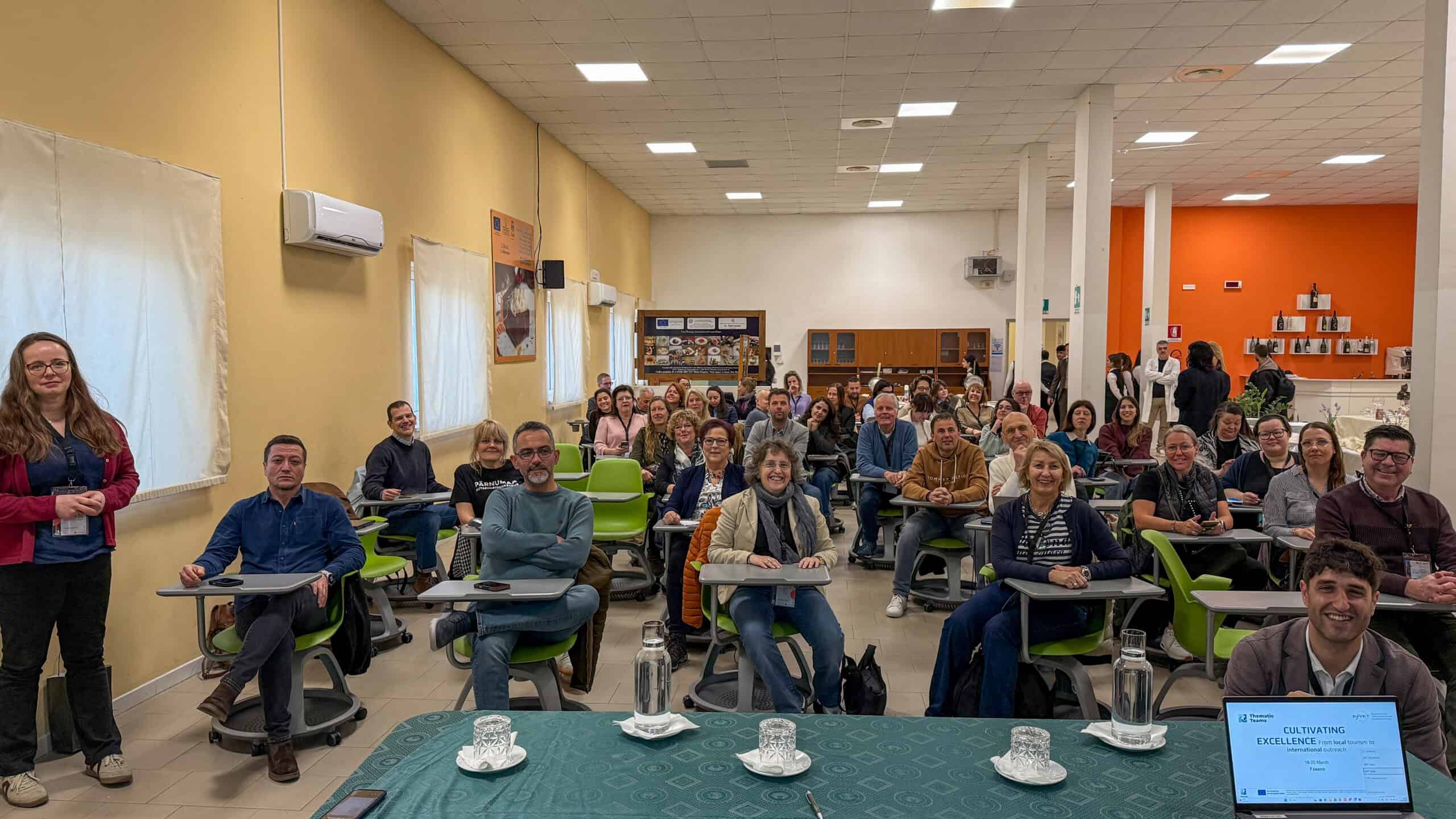
Networking Day – Day 3
On the last day, the participants presented their projects during the roundtable sessions.
Afterwards, they reflected on the future and ways to improve collaboration and communication within the organisation and its network. Participants discussed the importance of using shared platforms and databases to facilitate connection, resource access and project development.
A key point was the need to adapt and evolve activities. Some initiatives, such as market analysis meetings, may be discontinued due to low participation, while others, such as masterclasses and workshops, should be strengthened with more relevant topics and high-quality speakers from industry and policy sectors.
There was strong interest in:
- More practical and useful activities
- Increase face-to face collaboration, such as study visits and job shadowing
- Better networking opportunities to find project partners
- Strong involvement of students and industry in discussions
- Improved communication platforms and easier access to member information
The activities provided an opportunity to share ongoing European projects, forge new collaborations between European training institutions and tourism businesses, highlight the role of new generations, and explore the contribution that technical and vocational education can make to a more competitive tourism sector. The discussions generated operational ideas and cooperation prospects that will continue beyond the days in Fasano.